Where Can I Get PRP for Hair Loss or Under-Eye Treatment Near San Marcos?
Published Date:

Written By: Studiomedspa
Editorial Team
Core Insights:
- PRP is a natural, minimally invasive treatment using your own blood to stimulate repair, collagen, and hair follicle activity.
- At The Studio Med Spa, PRP is offered for hair loss and under-eye rejuvenation across three San Marcos–area locations.
- PRP for hair loss strengthens existing hair and encourages regrowth, with gradual improvements over several months; maintenance sessions are recommended.
- PRP under-eye treatment thickens delicate skin, softens fine lines, and lightens dark circles, typically over a series of 3 sessions, followed by periodic maintenance.
- These PRP options provide a surgery-free, low-downtime alternative for people wanting stronger hair and more youthful skin using the body’s own healing processes.
Conventional surgery is out as an increasing number of people look for natural alternatives to aesthetic procedures. One of these treatments is PRP, or platelet-rich plasma therapy. Derived from your own blood, PRP consists of highly concentrated platelets, which are vital for tissue growth and repair. Because PRP is made from your own blood, it uses your body’s natural healing processes. It carries a much lower risk of allergic reactions than many synthetic aesthetic treatments.
At The Studio Med Spa, we offer PRP treatment for hair loss and under-eye treatment at one of our three welcoming locations across San Marcos. Below, we’ll explore our two types of PRP therapies and explore how they can rejuvenate your well-being.
What Is PRP Therapy?
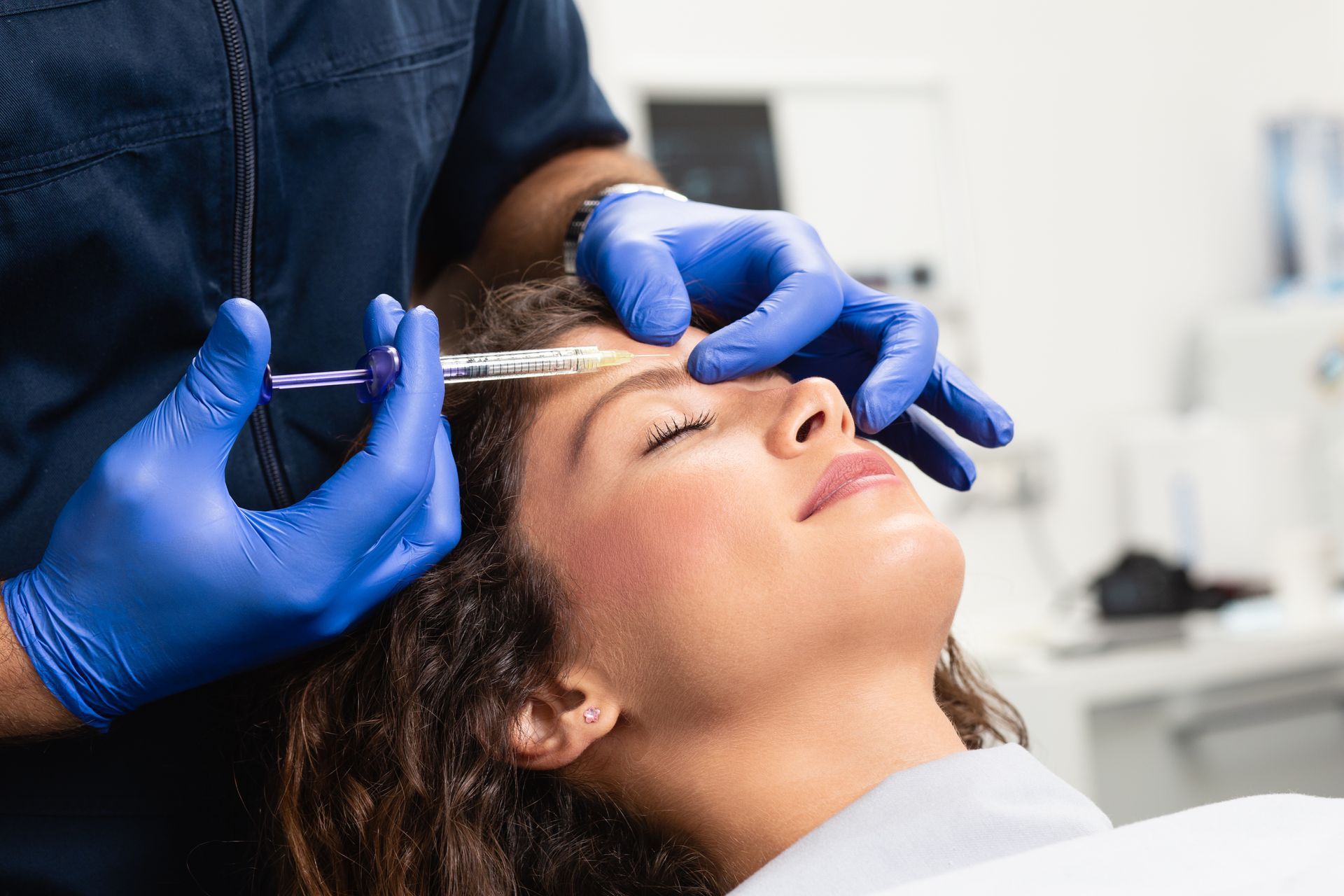
PRP treatment is a non-surgical, minimally invasive treatment that involves drawing your blood and extracting the platelet-rich plasma, which contains healthy growth factors. We then inject this nutrient-packed PRP component into the targeted area to promote repair and stimulate rejuvenation.
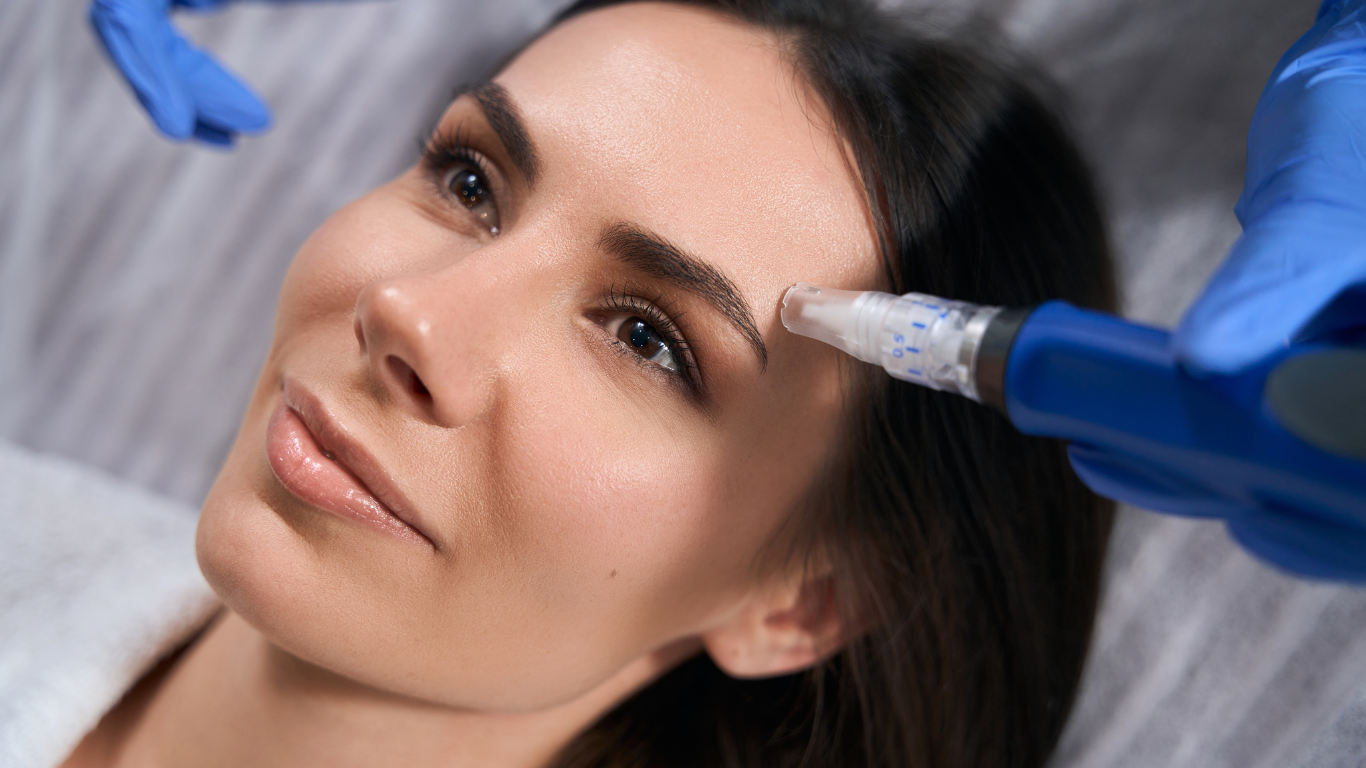
We use either our FDA-approved injection kits or microneedling to enhance the effects of PRP treatments. Once administered, PRP stimulates stem cell activity, engaging collagen-producing fibroblasts. The result is luminous and refreshed-looking skin. When used to treat hair loss, PRP activates hair follicle cells to stimulate hair growth.
How Does PRP Work for Hair Loss?
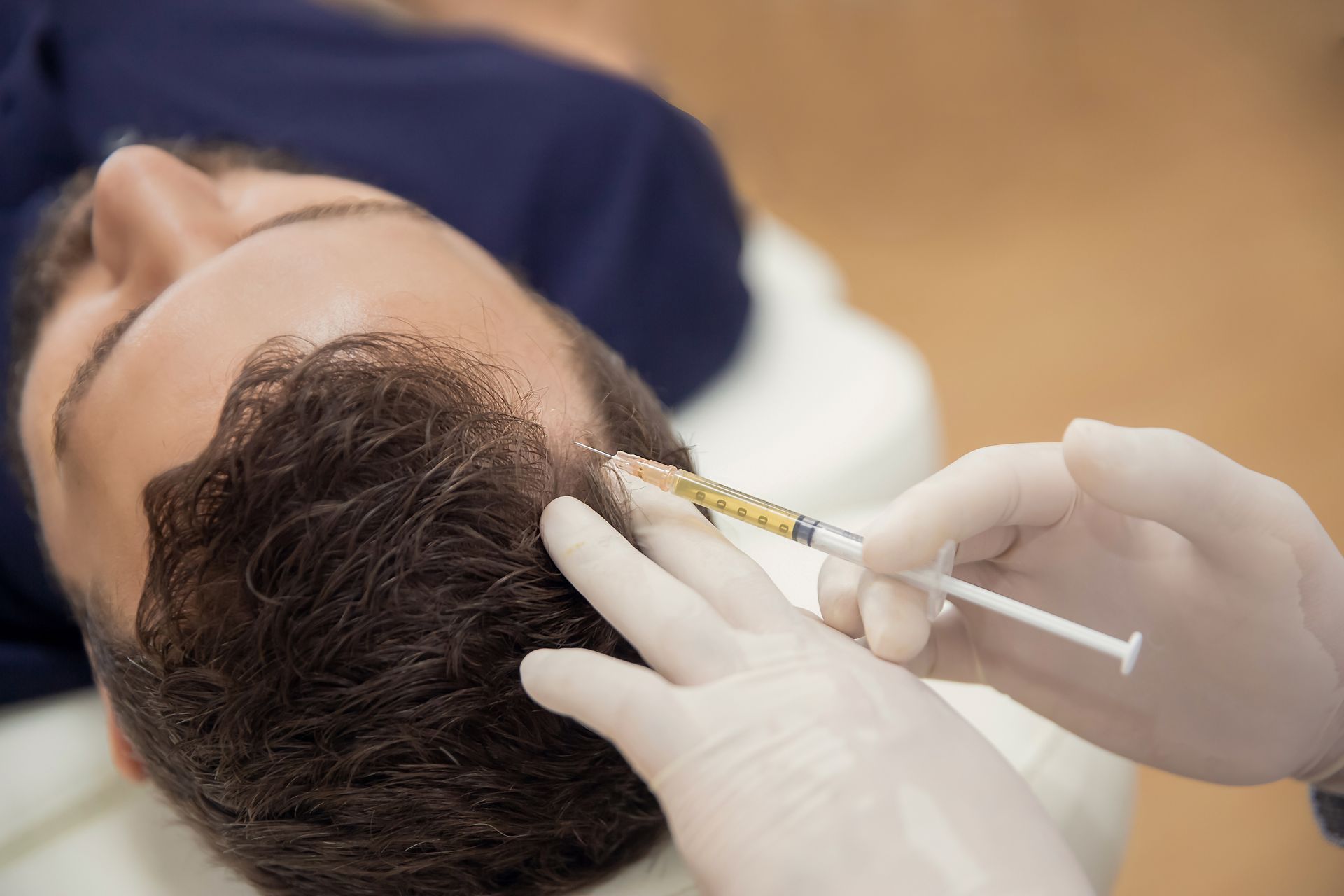
Whether you’ve noticed your hairline receding or a general thinning of hair, PRP can strengthen existing hair as well as stimulate new growth. Our treatment stands out thanks to its natural approach to hair loss. Unlike surgical hair transplants, PRP eliminates the need for incisions and lengthy recovery times, making it an ideal solution for busy individuals.
While scalp micropigmentation treatments aim to mask the effects of hair thinning, PRP promotes hair follicle health and encourages hair regrowth for men and women. The Studio Med Spa now makes PRP hair restoration accessible to anyone in San Marcos.
What Can I Expect From PRP for Thinning Hair?
A typical PRP session is relatively quick and straightforward, usually lasting 30 to 60 minutes. We target the area of concern with a series of small injections that cause minimal discomfort. After your session, you may experience slight swelling or tenderness in the area, which usually subsides within an hour. You may resume normal activities immediately afterward, but avoid washing your hair or sweating for at least 24 hours.
Results Timeline
PRP treatment results are progressive and cumulative, and differ between individuals. Below is a general overview of the results.
- Week 1-3: A noticeable reduction in hair fall with a healthier scalp.
- Week 4-8: New hair begins to show, starting as fine strands.
- Week 8-12: Hair appears fuller in targeted areas, with the new hair strands becoming thicker.
- Month 4 and onwards: Noticeable improvement in volume and texture.
How Many PRP Sessions Should I Have for Hair Loss?
Most patients begin with a series of 3 PRP sessions, spaced about 1 month apart, to achieve the best possible hair restoration results. Maintenance treatments every 5 to 12 months can help preserve those results over time. Depending on the size of the treatment area and the severity of hair thinning, some patients may benefit from additional sessions tailored to their individual needs.
What Is PRP Under-Eye Treatment?
PRP under-eye treatment is more than just a therapy. It’s a movement towards natural skin restoration. Unlike invasive surgery, PRP harnesses your natural healing capabilities to improve overall texture and the appearance of dark circles. As with PRP therapy for hair loss, we inject your own concentrated blood platelets into the skin to stimulate collagen production and thicken the delicate under-eye skin. The thin skin under your eyes lacks the fatty layer apparent on the rest of your face, making it especially responsive to PRP therapy.
Results Timeline
While some patients notice an immediate difference, it’s important to understand that full regeneration takes time.
- Week 1-3: Some individuals notice a smoother texture beneath their eyes.
- Week 4-8: Dark circles begin to lighten, the skin becomes thicker, and fine lines become less apparent.
- Months 3-6: Patients experience the final results, with collagen production at full force and the skin completing its natural remodeling.
How Many PRP Sessions Should I Have for Dark Circles?
Platelet-rich plasma for dark circles generally requires multiple appointments to achieve optimal results. We recommend three treatments every 6 weeks to reduce puffiness, fine lines, and eye bags. Maintenance treatments are anywhere from 6 months to 1 year, depending on your body’s metabolism.
What Are the Benefits of Non-Surgical Aesthetic Procedures at The Studio Med Spa?
For many people experiencing hair thinning or tired-looking under-eyes, the idea of surgery can feel overwhelming. PRP offers a more natural, less invasive approach by working with your body’s own healing processes to restore and refresh these areas without lengthy downtime, gradually.
If you’re looking for PRP injections near San Marcos, The Studio Med Spa welcomes clients at our San Marcos, Encinitas, and Rancho Peñasquitos locations.
Book a consultation with our team to learn how personalized PRP treatments can help you feel more confident in your appearance.
Written By: Studiomedspa
Editorial Team
Our editorial team is dedicated to providing accurate, evidence-informed information on aesthetic medicine, skincare, and wellness. Working closely with medical professionals and industry experts, we develop carefully researched content designed to help patients better understand their treatment options and make informed decisions about their care.
Recent Blogs