How Does RF Skin Tightening Compare to a Surgical Facelift or Other Alternatives?
May 13, 2026

Core Insights: 

  1. RF skin tightening is a non-surgical alternative to facelifts with minimal downtime.
  2. Surgical facelifts give more dramatic, longer-lasting results but require incisions, anesthesia, and weeks of recovery.
  3. RF improves laxity and texture by stimulating collagen and can be combined with lasers or microneedling.
  4. RF needs multiple sessions, lasts about 1–3 years, and is significantly cheaper than surgery.
  5. Non-surgical treatments are flexible and customizable, and are offered at The Studio Med Spa for convenient, professional care.


When it comes to slowing down and even reversing the aging process, there are two routes available. While many individuals opt for surgical facelifts, others prefer non-invasive options such as RF therapies. The choice between RF and other skin-tightening treatments depends on factors such as the severity of your skin texture, your desired results, your tolerance for downtime, and your budget. 


Both treatments can deliver excellent results, and each has its own pros and cons, which we will expand on below. 


What Is a Surgical Facelift?


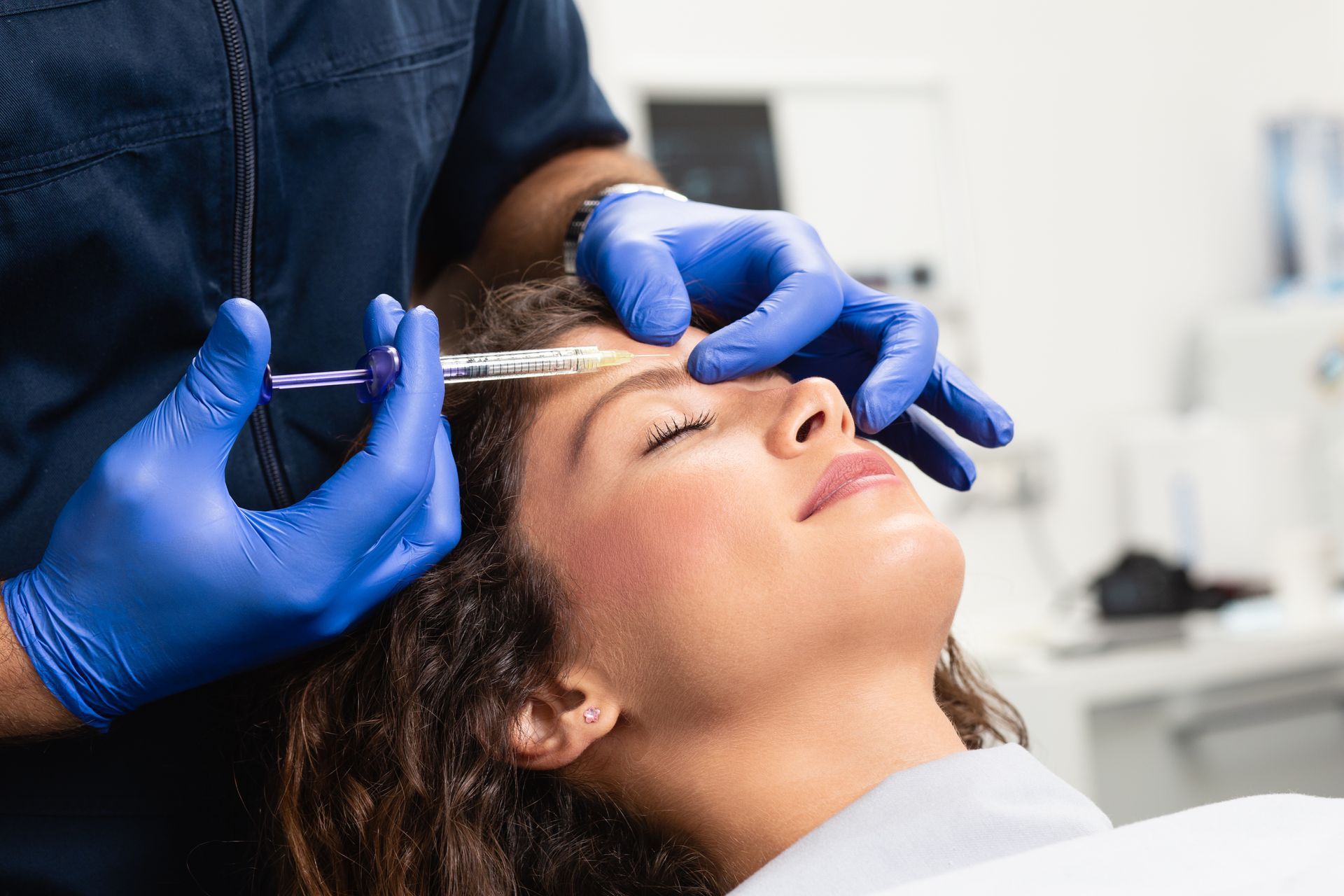
A traditional facelift involves creating incisions around the ears and hairline to shift muscles, remove excess skin, and tighten the remaining skin, revealing fresh facial contours. Mainstream facelifts target severe sagging, typically around the eyes, jowls, and jawline. Patients notice immediate, significant results that can last up to 10 years. 


However, the efficiency of this procedure has a potentially high cost. The surgery itself carries risks of infection and scarring. At the same time, the use of general anesthesia introduces additional complications and requires substantial recovery time. Most individuals need around 3 weeks of recovery time before returning to normal activities, with visible bruising lasting for several weeks. 


What Non-Surgical Options Are Available for Skin Tightening?


The expansion of non-surgical facelift alternatives offers patients numerous options for less-invasive yet effective methods to achieve a more youthful appearance. RF skin tightening is one of the most popular methods for improving skin laxity, providing aesthetic and functional benefits. 


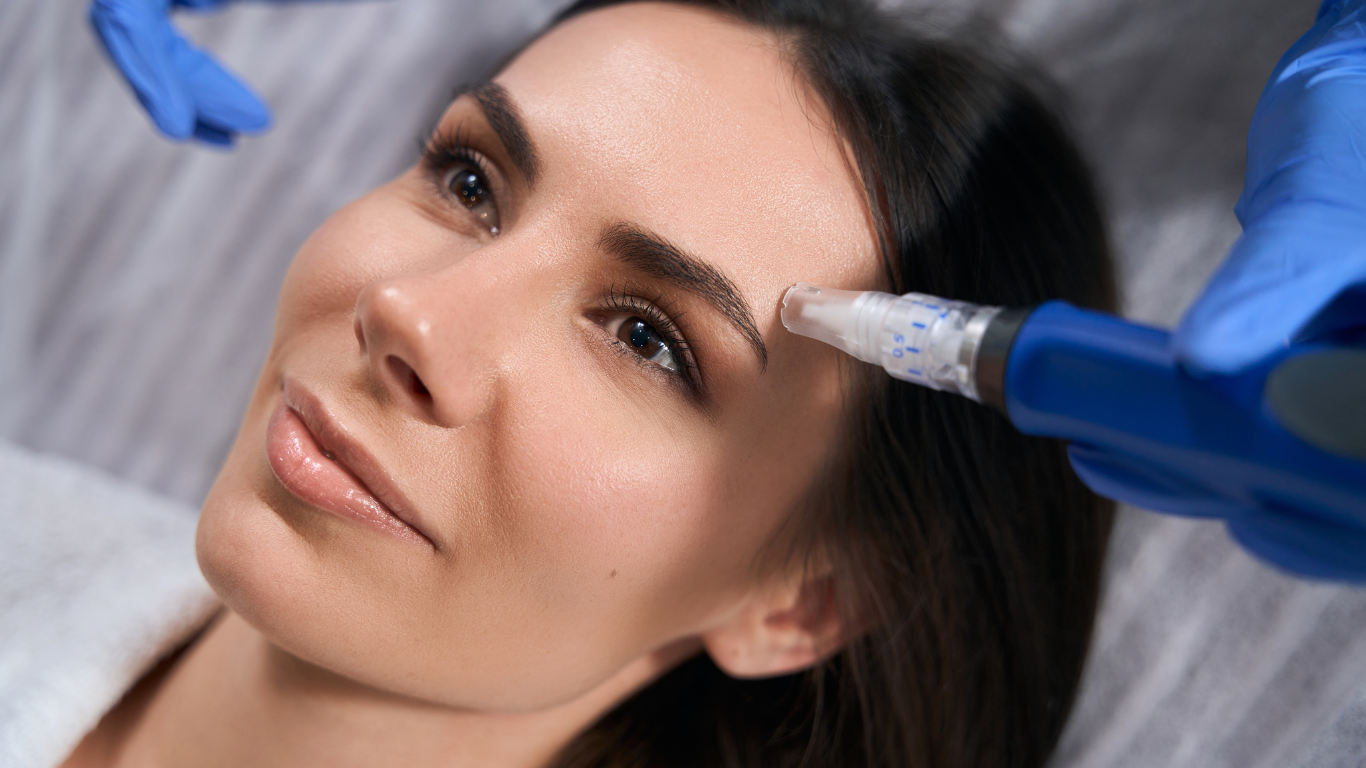
RF Skin tightening pairs radio frequency and heat to stimulate collagen production, supporting facial revitalization from within. The treatment promotes healing and encourages the body’s natural fat removal process. Radiofrequency skin tightening results in a more refined appearance, reduces fine lines, and improves your skin’s texture. Many patients choose to combine this treatment with laser skin tightening or microneedling for more comprehensive results. 


How Does RF Skin Tightening Compare to a Facelift?


For improving skin laxity and restoring a refreshed appearance, RF skin tightening and facelifts can offer meaningful results. When comparing radiofrequency vs a surgical facelift, their main differences cater to different lifestyles, goals, and comfort levels. We’ll break down their core variances to help you better understand their role in obtaining firmer skin. 


Invasiveness 

The minimally invasive nature of RF skin tightening makes it a popular alternative to traditional facelift procedures. While radiofrequency targets areas beneath the skin, it eliminates the need for surgery while still delivering noticeable results. Patients experience minimal discomfort during and after treatments, with little recovery time required post-appointment. 


Surgical facelifts involve multiple incisions, tissue repositioning, and stitches to complete the procedure. It poses an infection risk and requires significant downtime. Individuals require weeks of healing before returning to their day-to-day routine. 


Results

It takes up to 8 weeks for your skin to produce new collagen and skin cells. RF patients typically notice subtle changes after the first 3 weeks of treatment, with optimum results from the second month. The results of laser skin tightening can last from 12 months to 3 years.


Rhytidectomy (facelift) patients often start to see real improvements by week 3 after their surgery. The results from a surgical facelift can last for up to 10 years. 


Longevity

RF skin tightening typically requires around 6 to 8 treatments to produce optimal results. We space your appointments 8 weeks apart to allow sufficient healing time. 


In contrast, surgical facelifts offer longer-lasting results, with little to no maintenance required. 


Cost

RF skin tightening is far more affordable than a surgical facelift, which can cost $12,000 or more. As we personalize individual treatment plans, we provide exact pricing during your consultation, allowing you to choose a flexible option based on your goals and areas of concern.

Why Should I Choose Non-Surgical Skin Tightening Treatments?


Non-surgical skin tightening treatments offer a refreshed, more youthful appearance without the need for surgery or extended downtime. One of the biggest advantages is their gentleness and convenience, which allow you to return to your normal routine almost immediately after your appointment. Non-surgical options work with your body’s natural processes to gradually improve firmness and texture, creating results that look subtle and natural rather than overdone.


Another key benefit is flexibility. We tailor treatments to different areas of concern, whether it’s the face, jawline, neck, or body, making it a versatile option for a wide range of skin types and ages. For many people, non-surgical options like RF skin tightening also serve as a preventive approach, helping maintain skin quality and slow the signs of aging before they become noticeable.


Where Can I Get RF Skin Tightening Done?


It’s important to choose a suitable provider when opting for any skin treatment. An establishment that offers knowledge and experience, plus multiple treatment options, provides you not only with medical-grade quality services but also the security that you’re in capable hands. 


At The Studio Med Spa, we combine advanced treatments, experienced practitioners, and a curated range of products and services designed to support your skin, body, and overall well-being. We deliver results in a calm, welcoming environment where you feel comfortable and well cared for at every step. 


With three convenient locations across North San Diego County in San Marcos, Encinitas, and Rancho Peñasquitos, we make it easy to access professional aesthetic and wellness care close to home.
Contact us today, or secure your booking online for your preferred treatment. 

Doctor holding a measuring tape around their neck, measuring waist circumference in a clinic.
May 11, 2026
Core Insights: MIC B12 shots accelerate fat breakdown in the liver using methionine, inositol, and choline to boost metabolism and energy. GLP-1 medications mimic natural hormones to reduce appetite, slow digestion, and increase fullness for sustained weight loss. GLP-1 shows faster results (visible in two months), while MIC B12 offers subtler metabolic support and wellness benefits. GLP-1 addresses why you gain weight; MIC B12 supports how your body processes fat—together, they create a comprehensive approach. Combining both treatments prevents nutrient deficiency and fatigue while preserving muscle mass during weight loss. With so many weight loss products on the market, each promising effective results, it’s difficult to decide which one is right for you. Two powerful weight-loss injections gaining traction include GLP-1 and MIC B12 shots, both proven contenders in the world of healthy weight reduction. While both aim to help you lose weight, they cater to different needs. We’ll break down their roles and highlight their differences to help you choose your ideal weight-loss solution.
Hand holding a diabetes injection pen near a bare abdomen
May 6, 2026
Core Insights: GLP-1 injections are diabetes medicines that also help with weight loss by lowering blood sugar, maintaining a feeling of fullness, and reducing appetite. In the first month, most people feel less hungry and eat smaller portions, with possible mild nausea or tiredness that usually settles. Over 2–3 months, many lose noticeable weight (often 5–10% of body weight) when the injections are combined with better eating and more activity. They’re usually for adults with obesity (BMI ≥ 30, or ≥ 27 with issues like diabetes, high blood pressure, or high cholesterol) and are meant to support long‑term lifestyle change, not be a quick fix. GLP-1s are well-studied and generally safe for suitable patients; “Ozempic face” is from weight loss itself, and you just need a moderate protein intake of about 1–1.5 g per kg body weight, not a super high‑protein diet. Glucagon-like Peptide-1 (GLP-1) receptor agonists are medications initially formulated to treat diabetes. However, most recently, GLP-1 has been shown to assist in weight loss and weight management programs. Glucagon-peptide 1 is a naturally occurring hormone in the human body that regulates blood sugar levels. GLP-1 mimics this process, stimulating the pancreas to release insulin when blood sugar levels are high, especially after meals. GLP-1 also suppresses glucagon secretion, the hormone that raises blood sugar levels. GLP-1’s also control the area of the brain that controls your appetite. It increases the feeling of satiety, slowing the pace at which the stomach empties, keeping you feeling fuller for longer.
Technician performing a facial treatment on a client in a spa room with cosmetic equipment nearby
January 26, 2026
Healthy, glowing skin often reflects confidence, but daily stress, sun exposure, and aging can change how skin looks and feels. Our patients seek gentle, practical solutions that improve texture, tone, and clarity without lengthy downtime. This blog explores common concerns and explains how modern treatments deliver real, visible results. You will learn why our patients value laser skin rejuvenation benefits for smoother skin and a refreshed appearance. Whether early aging or stubborn imperfections concern you, understanding your options helps us tailor laser therapy to suit your needs. 1. Can Laser Treatment Get Rid of Acne Scars? Acne scarring often occurs after breakouts, typically affecting men and women between the ages of 12 and 35. Acne begins as lesions on the skin that become inflamed. These blemishes could be caused by hormonal imbalance and, in most cases, affect the face. Many of our patients experience different types of acne with varying degrees of severity due to genetic and immunological factors. Laser treatment for acne scars resurfaces the damaged layers of facial skin. The treatment stimulates new skin growth and reduces scar penetration and discoloration. After a few sessions, the scar will lighten and the skin will even out. Our patients typically notice a difference after three or four appointments, especially when paired with a healthy skincare routine. 2. How Does Laser Treatment Reduce Facial Redness and Broken Blood Vessels? Damaged capillaries or dilated vessels beneath the skin may lead to persistent redness. Facial erythema is a common condition, especially in people with fair skin. Facial erythema is frequently a symptom of bacterial infections or lupus, and we often treat the cause before the cosmetic issues. Laser treatment uses targeted light wavelengths that are absorbed by blood, safely shrinking broken blood vessels. This results in reduced signs of rosacea. Treatment reduces inflammation in veins without the need for chronic medication. Our therapy relieves redness and improves an even complexion with minimal downtime. 3. Can Laser Treatment Help With Rosacea? Redness and sensitivity commonly affect the cheeks and nose areas. While there is no specific cure, you can learn how to manage your symptoms. Facial laser treatment can diminish problematic blood vessels, stimulate collagen production, and strengthen your skin to counter future flare-ups. Many patients require regular sessions to calm rosacea and reduce its visibility. 4. Can Laser Treatment Reverse Sun Damage? Sun exposure often leads to pigmentation, which results in dark marks and wrinkles. We offer numerous laser techniques to treat sun-damaged skin, depending on the area and skin type. By targeting affected areas, we encourage new skin formation, reduce age spots, and even out your complexion for a more youthful appearance. In addition to laser treatment for uneven skin tone, we encourage consistent use of sun protection post-treatment to enhance results. 5.How Does Laser Treatment Reduce Wrinkles and Fine Lines? Collagen production naturally slows with age, often leading to sagging skin and fine lines. Laser treatment for wrinkles and fine lines triggers collagen renewal, slowing down your skin’s aging process. Our non-invasive therapy gently lifts the skin, improving texture and increasing elasticity. Over a few treatments, your skin regains a plumper appearance, which is a desirable look in modern beauty standards. 6. How Does Laser Treatment Fade Dark Spots and Hyperpigmentation? Hyperpigmentation from UV damage or genetic conditions often dulls your complexion. Treatment targets melanin buildup to lighten dark spots and achieve a more uniform appearance. Our patients enjoy clearer skin and a more even tone from multiple sessions of laser facial rejuvenation. 7. Can Laser Treatment Shrink Enlarged Pores? Enlarged pores often stem from uneven skin texture. Several factors could cause your pores to expand, including aging, genetic predisposition, or prolonged UV exposure. Targeted laser treatment for texture improvement can reduce the size of your pores and control their sebum levels. Tightening pore walls through collagen stimulation can result in smoother skin that resists excessive oil buildup. Refined pores can improve your skin’s appearance by creating a softer surface. 8. Can Laser Treatment Remove Spider Veins on the Face? Small blood vessels near the skin’s surface can cause unpleasant redness, typically on the cheeks. Laser skin resurfacing breaks down damaged vessels so your body can naturally absorb them. Common positive results include reduced redness and clearer skin. 9. Does Laser Treatment Work on Surgical Scars? Acne scars aren’t the only blemishes our clients struggle with. Surgical scarring also responds well to laser treatment. Over time, scars flatten and become less apparent. Not only can we achieve enhanced texture, but we can also improve skin uniformity. Using fractional technology ensures a non-invasive treatment that can reduce and even eradicate scars. How Do You Choose the Right Laser Skin Rejuvenation Treatment? Choosing the proper treatment starts with understanding your skin and trusting the guidance you receive. Our team evaluates your needs and creates a plan that supports long-term skin health. We help you feel confident and informed every step of the process. Whatever your skin concerns, laser treatment improves texture, tone, and clarity. If you want smoother, brighter skin with expert care, we’re ready to guide you towards your goals. Contact us for a professional and tailored consultation where we put your needs first.
Show More