Dermal Fillers For Acne Scars: What You Need To KNow
Published Date:

Written By: Studiomedspa
Editorial Team
Acne scars can leave a lasting impact on one's self-confidence, but fortunately, advancements in aesthetic dermatology have introduced effective treatment options. Dermal fillers have emerged as a popular choice for improving the appearance of acne scars. By injecting these fillers beneath the skin's surface, they help to raise and plump up depressed or indented scars, creating a smoother and more even skin texture. There are also other types of dermal filler options including dermal fillers for lip augmentation. This non-surgical approach provides immediate results and can significantly enhance the confidence and quality of life for individuals struggling with the aftermath of acne.
What are Acne Scars?
Acne scars are permanent marks or indentations that remain on the skin after acne lesions have healed. They can occur as a result of inflammatory acne, such as nodules, cysts, or severe forms of acne that cause damage to the skin's deeper layers.
There are several types of acne scars, including:
- Atrophic scars: These are depressed or indented scars that form when there is a loss of tissue during the healing process. They can be further classified into:
- Icepick scars: Deep and narrow scars that resemble small holes or punctures in the skin.
- Boxcar scars: Broad, box-like depressions with sharply defined edges.
- Rolling scars: Wavy or undulating depressions that give the skin a rolling or uneven appearance.
- Hypertrophic or keloid scars: These are raised scars that result from an overproduction of collagen during the healing process. They extend beyond the boundaries of the original acne lesion and can be firm, red, and raised.
Acne scars can have a significant impact on a person's self-esteem and emotional well-being. The severity and type of scars can vary from person to person, and their appearance can be influenced by factors such as genetics and skin type. .
Do Dermal Fillers for Scars Work?
Dermal fillers can be used as a treatment option for certain types of scars, although their effectiveness depends on various factors, including the type and severity of the scar. There are several benefits of dermal fillers. Dermal fillers are typically used to improve the appearance of depressed or indented scars, such as acne scars or certain types of surgical scars.
The goal of using dermal fillers for scars is to raise the depressed area of the scar to create a smoother and more even skin surface. The fillers are injected beneath the skin to add volume and plump up the depressed areas, thereby reducing the appearance of the scar. The results are temporary and may last several months to a year, depending on the specific filler used.
It's important to note that dermal fillers may not be suitable or effective for all types of scars. Raised or hypertrophic scars, for example, are not typically treated with fillers but may require other interventions like corticosteroid injections or laser therapy.
What Happens During a Dermal Filler Treatment for Acne Scars?
During a dermal filler treatment for acne scars, the following steps are typically involved:
- Consultation: You'll have an initial consultation with our team. We will assess your acne scars, discuss your expectations, and determine if you're a suitable candidate for dermal filler treatment.
- Preparation: Before the procedure, the treatment area will be thoroughly cleansed. Topical numbing cream or a local anesthetic may be applied to minimize any discomfort during the treatment.
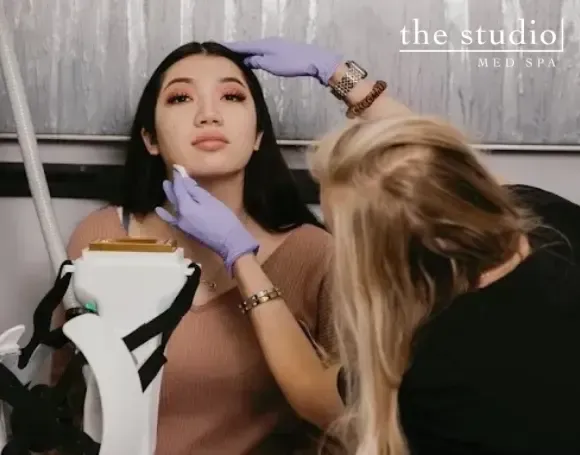
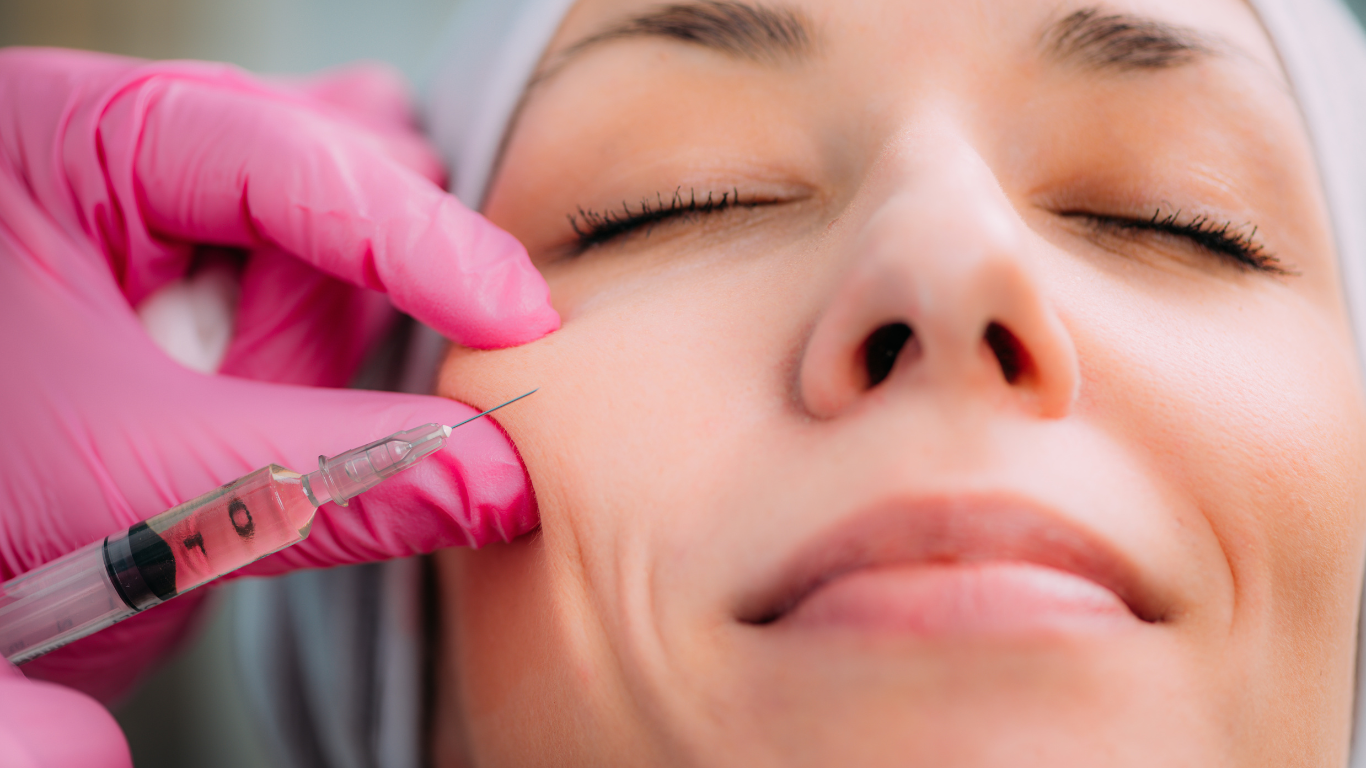
- Injection: Using a fine needle or a cannula, the dermal filler is injected into the targeted areas of the acne scars. The type and amount of filler used will depend on the specific characteristics of your scars and the desired outcome. An experienced member of our team will carefully inject the filler beneath the skin to raise and plump up the depressed areas, smoothing out the appearance of the scars.
- Massage and Assessment: After the injection, the treated area may gently be massaged to ensure even distribution of the filler and to achieve the desired result. We will assess the immediate outcome and make any necessary adjustments.
- Post-treatment Care: Following the procedure, you will be given specific aftercare instructions. These may include avoiding touching or applying pressure to the treated area, avoiding vigorous exercise or activities that may increase swelling, and using ice packs or prescribed topical creams to reduce swelling or discomfort.
It's important to note that the duration of the procedure can vary depending on the extent of the treatment area and the number of scars being addressed. The results of dermal filler treatment for acne scars are immediate, and you may notice an improvement in the appearance of your scars right after the procedure. However, it's worth noting that dermal fillers provide temporary results, and subsequent treatments may be necessary to maintain the desired outcome.
If you’re struggling with your appearance as a result of your acne scars, we encourage you to get in touch with us and schedule an appointment for dermal fillers with a member of our team. We will coordinate with you to develop a plan which will help you to achieve your goal appearance.
Written By: Studiomedspa
Editorial Team
Our editorial team is dedicated to providing accurate, evidence-informed information on aesthetic medicine, skincare, and wellness. Working closely with medical professionals and industry experts, we develop carefully researched content designed to help patients better understand their treatment options and make informed decisions about their care.
Recent Blogs