Are Weight Loss Injections Safe? Is It Right for You?

Published Date:

Written By: Studiomedspa
Editorial Team
Core Insights:
- Weight loss injections require medical screening and ongoing provider support.
- Semaglutide and tirzepatide can reduce appetite and support significant weight loss.
- Most side effects involve digestion and improve as the body adjusts.
- Serious risks require prompt medical attention and treatment review.
- Weight regain remains possible after stopping treatment.
Lately you’ve been seeing these weight loss injections everywhere online, and likely heard some stories about side effects such as muscle loss, thyroid cancer, and fake products. Like many individuals, you’re looking for credible information about these treatments before scheduling a consultation with us. So, are weight loss injections safe? The honest answer comes down to two main factors: your personal health history and where you get the prescription.
FDA-approved GLP-1 medications have been tested in adults. Most side effects are temporary and disappear as your body adjusts. Serious health risks are rare. If you’re wondering, “Is it right for me?”, we can review your health profile and provide a personalized answer.
This guide helps you understand the options so you can make the right choice. Learn how well these medications work, what side effects to expect, and who should avoid them. We will also explain the differences between FDA approved brand-names and grey market options. This guide helps you understand the options so you can make the right choice. Learn
how semaglutide works, what side effects to expect, and who should avoid treatment.
What Are Weight Loss Injections?
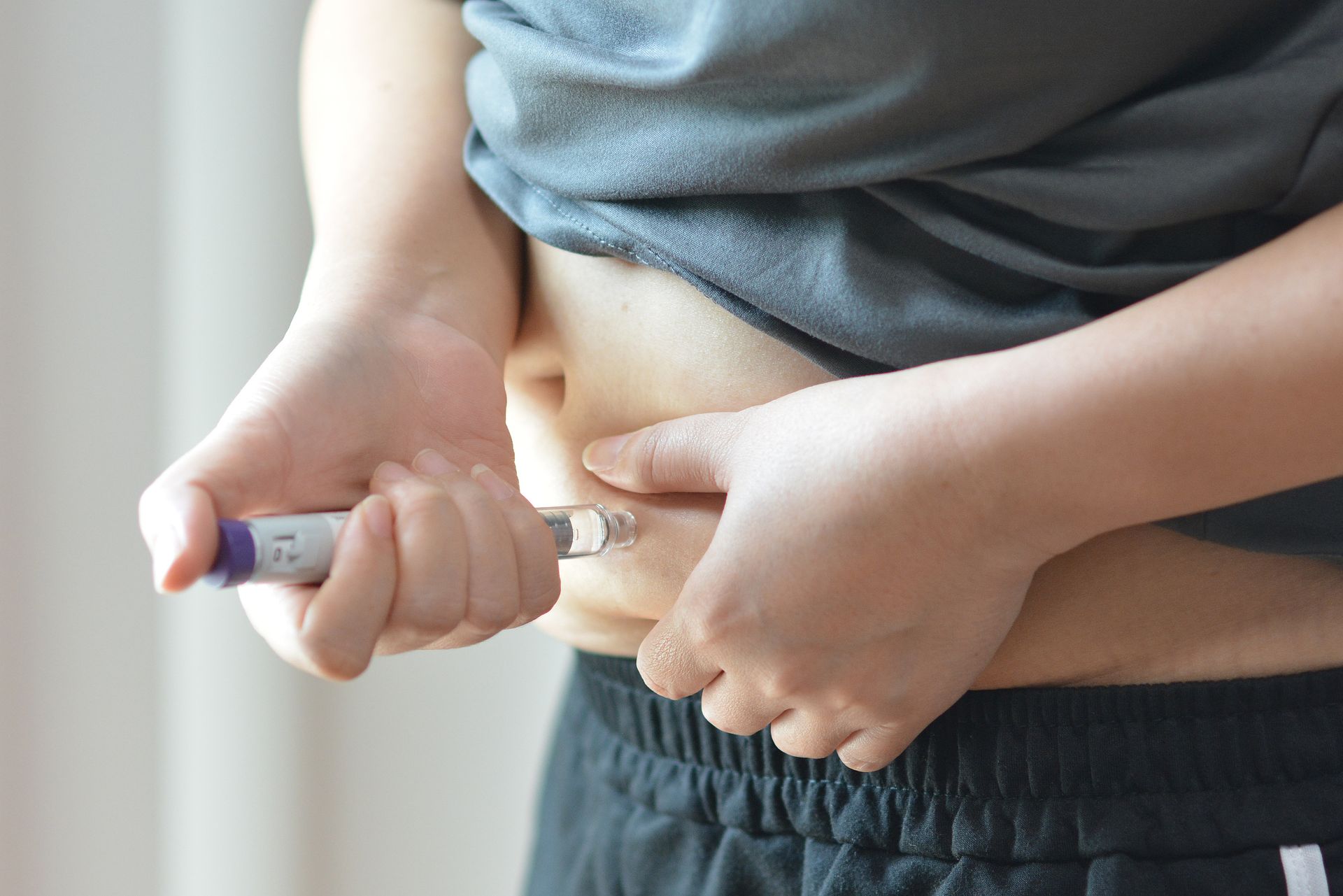
Weight loss injections are prescription medicines, not supplements or fat burners, that we take once a week. The two main medicines are semaglutide and tirzepatide. You can discover how semaglutide compares to other options. Wegovy and Ozempic contain semaglutide. Zepbound and Mounjaro contain tirzepatide.
Wegovy and Zepbound have approval for weight management. Ozempic and Mounjaro carry approval for type 2 diabetes. Doctors may prescribe them for weight management too. This is called off-label use, which means using an approved medicine for another medical purpose.
These medicines copy natural hormones made in our gut after we eat. They tell our brain that we’re full and slow the stomach’s emptying process. As a result, our appetite may drop, and smaller meals may satisfy us for longer. Semaglutide copies one hormone pathway called GLP-1. Tirzepatide copies two pathways, called GIP and GLP-1. We explain more about GLP-1 medicines in our post:
Is GLP-1 the Same as Ozempic?
How Well Do Weight Loss Injections Work?
These medications produce clinically significant weight loss for most people who take them regularly. Results vary by medication, dose, and how well you combine treatment with diet and physical activity. Our guide explains what to expect during treatment.
In the 68-week
STEP 1 clinical trial, adults taking semaglutide lost an average of 14.9% of their body weight. They received a 2.4 mg maintenance dose. The placebo group lost an average of 2.4%.
In the 72-week
SURMOUNT-1 clinical trial, adults taking tirzepatide lost an average of 15.0% of their body weight with the 5 mg dose. Those taking 15 mg lost an average of 20.9%. The placebo group lost 3.1%.
Doctors increase both medicines gradually as the dose increases. This process takes several weeks. Weight loss then occurs gradually over the following months, not within a few days. The medicines can reduce appetite, but they don’t determine whether weight loss comes from fat or muscle. The trials also measured changes in blood sugar, A1C, and blood pressure. Results vary, and diet and exercise still play an important role.
We use a gradual dose escalation over several weeks to build tolerance, so weight loss accumulates consistently. While these injections effectively reduce appetite, they don't determine whether you lose fat or lean muscle tissue.
What Are the Side Effects of Weight Loss Injections?
Most side effects are digestive issues that decline as your body adjusts to higher doses, though a small number of serious risks could require you to stop the medication.
Common Side Effects
Most people experience mild digestive symptoms when they start treatment. You might feel nausea, mild vomiting, diarrhea, or constipation. Some individuals also notice acid reflux after eating or feel bloated. Other possible symptoms include mild fatigue, a dull headache, or redness and itching at the injection site.
These symptoms often feel strongest during the first few days after each dose escalation or titration step. Titration means increasing the medicine’s dose in small steps over time. Symptoms usually settle within a few weeks. Large meals, high-fat foods, and alcohol can worsen nausea. Smaller meals, slower dose increases, and steady hydration may help.
Serious but Uncommon Risks
FDA regulations require a boxed warning about thyroid C-cell tumor risks on these medications. Rodent studies showed this result, but researchers have not established this risk in humans. Still, doctors exclude patients with medullary thyroid carcinoma or Multiple Endocrine Neoplasia type II (MEN2) from taking these drugs.
Other uncommon but severe conditions show clear warning signs:
- Pancreatitis causes persistent stomach pain that radiates to your back.
- Rapid weight loss can trigger gallstones.
- Prolonged vomiting or diarrhea causes dehydration, which can result in acute kidney injury.
- Combining these injections with insulin or a sulfonylurea can cause dangerous hypoglycemia (low blood sugar).
If you experience abdominal pain or vomiting, start seeing signs of dehydration, or sudden vision changes, pause your medication and contact us immediately.
The Effects People Ask About That Are Not on the Warning Label
Quick weight loss can cause your body to lose some lean muscle mass along with fat tissue. This loss happens because of the rate of weight loss rather than a direct drug side effect. You can protect yourself against sarcopenia, or muscle loss, by eating enough protein and adding regular resistance training to your routine.
Many people worry about “Ozempic face” and temporary hair shedding, but it’s natural facial volume loss as fat leaves the face, not an allergic skin reaction. Hair shedding, or telogen effluvium, is a temporary response following weight loss. It typically resolves on its own over time. Knowing the difference helps you see that these changes come from rapid weight loss, not medication side effects.
Who Is a Good Candidate for Weight Loss Injections?
Adults with a Body Mass Index (BMI) of 27 to 30 or higher with a weight-related condition may meet the basic eligibility criteria. These conditions can include type 2 diabetes, high blood pressure, high cholesterol, or sleep apnea.
BMI offers a starting point, but it doesn’t tell us the whole story. During a prescriber assessment, we’ll review your weight history, past weight loss attempts, current medications, and other health conditions. We’ll also consider how your appetite affects your eating habits.
These medicines may suit you if hunger makes weight loss difficult, you’re ready to change how you eat, and you can attend regular follow-up visits. They may be less suitable if you want to lose a small amount for cosmetic reasons or don’t want long-term treatment. Eligibility is a clinical decision made during a consultation, not a self-assessment. Men can also learn more about
weight loss injections for men.
Who Should Not Take Weight Loss Injections?
While weight loss injections may be effective for many, they aren’t suitable for everyone. Some health conditions and risk factors may make this option unsafe or less effective.
Personal or family history of medullary thyroid carcinoma or MEN2; the FDA boxed warning excludes you due to potential thyroid C-cell tumor risks.- Pregnancy, breastfeeding, or actively trying to conceive. These drugs can harm a developing baby, so stop taking them before trying to get pregnant.
- Previous serious allergic reaction; severe allergic responses to the medication or its ingredients rule out future doses entirely.
Other health conditions require a deeper conversation with your doctor to adjust your care plan safely:
Pancreatitis history. Previous pancreas inflammation raises your risk of another flare-up.- Active gallbladder disease. Rapid weight loss combined with these drugs can trigger gallstones or gallstone attacks.
- Gastroparesis or severe reflux. Delayed stomach emptying can worsen severe digestive disorders.
- Type 1 diabetes. These drugs do not replace insulin, and you must manage blood sugar carefully.
- Kidney disease. Dehydration from potential side effects can further strain your kidneys.
- Eating disorder history. Appetite suppression can trigger unhealthy patterns or relapse.
- Insulin and sulfonylureas. Combining these diabetes drugs with injections creates dangerous drug interactions that trigger low blood sugar (hypoglycemia).
- Oral medications. Slowed stomach emptying can change how your body absorbs daily pills.
Bring a full medical history and an accurate medication list to your first consultation. Eligibility is a clinical judgment made at a consultation, not a self-assessment.
How to Choose a Safe Weight Loss Provider
The medication is only as safe as the care process around it, so choosing the right medical clinic matters just as much as the prescription itself.
Before the First Prescription
A safe clinic starts with a thorough intake screening. Your provider should conduct a comprehensive medical history review that covers your personal and family health background, along with your current medications. They must request baseline labs when clinically necessary and have an open conversation about your goals and realistic expectations before writing a prescription. You can also learn how to prepare for your first injection.
Ongoing Care Standards
High-quality care continues long after your first dose. Safe providers give you a clear, written titration plan to gradually increase your dose over time. They schedule regular follow-up appointments to track your progress and provide a direct point of contact for when unexpected side effects appear. Most importantly, they establish clear checkpoints to reassess your treatment plan along the way.
Who Can Prescribe
Only a licensed prescriber can legally evaluate you and prescribe these medications. This includes a physician, a nurse practitioner, or a physician assistant licensed in California who works directly under a medical director. Always confirm the medical staff structure before you book an appointment, whether you meet in person or through telehealth.
Red Flags to Avoid
Watch out for these dangerous practices when searching for a clinic:
- No exam prescribing. Providers who issue prescriptions based on a quick online form without a real exam or medical history review.
- No scheduled follow-up care or ongoing medical monitoring.
- Refusal to state the exact pharmacy or source making your medication.
- Rigid membership subscriptions that make cancellation unnecessarily difficult.
Questions to Ask Before You Book
Call the clinic you want to visit for these injections. Ask who the medical director is, and whether a licensed clinician reviews your health history before prescribing. Find out what their follow-up support looks like if you experience side effects. A safe, reputable clinic will happily answer these questions.
What Happens if You Stop Taking Weight Loss Injections?
When you stop taking these medications, appetite returns quickly, and most people face regaining significant weight unless they make long-term lifestyle changes. The medication manages hunger and satiety signals while it remains in your system, but it does not permanently reset your metabolism. Because your body fights to return to its original weight, doctors view obesity as a complex chronic condition that requires long-term management rather than a short treatment course with a fixed end date.
Stopping treatment requires a clear tapering schedule you agree on with your doctor, not abrupt discontinuation. You and your provider must build a personalized maintenance dose or off-ramp strategy before you take your final shot. Healthy nutrition patterns and regular resistance training habits that you establish while taking the medication serve as your best defense to hold off weight regain over time.
Have Questions? Talk to a Licensed Provider at The Studio Med Spa
GLP-1 medications are well-studied options, and for the right candidate, a licensed provider can easily manage and predict most health risks. Ultimately, overall safety depends on thorough medical screening, verified drug sources, and consistent, medically supervised weight-loss care. When you choose a practice that prioritizes real safety protocols and ongoing support, you give yourself the absolute best path to success.
If you’re curious about starting treatment, our team offers
semaglutide in San Diego and a full eligibility assessment. We will tell you honestly if these injections are not the right fit for your body, because your long-term health always comes first.
Review
treatment pricing,
review our locations, or
schedule a consultation.
Frequently Asked Questions
Are weight loss injections safe for people without diabetes?
Yes, FDA-approved weight loss injections are safe for adults without type 2 diabetes who meet specific weight criteria. Doctors prescribe medications like Wegovy and Zepbound specifically for weight management.
How much weight can you actually lose on weight loss injections?
Your total average weight loss depends on the specific drug, your final dose, and how closely you pair treatment with healthy diet and exercise habits.
What are the most common side effects, and how long do they last?
The most common side effects are digestive symptoms like nausea, diarrhea, constipation, and vomiting. These mild symptoms usually peak during the first few days after a dose escalation step and settle within a few weeks as your body adjusts to the medication.
Who should not take GLP-1 injections?
People with a family history of medullary thyroid carcinoma or MEN2 must avoid GLP-1 injections entirely. Pregnant women, breastfeeding mothers, and anyone with past severe allergic reactions to these medications should also avoid treatment due to serious safety risks.
Do you gain the weight back when you stop?
Yes, most people experience weight regain after stopping injections because their natural appetite returns quickly. Because obesity acts as a chronic condition, keeping weight off requires long-term lifestyle habits, regular resistance training, or a structured tapering plan with your provider.
Is it safe to get weight loss injections from a med spa?
Yes, getting injections at a med spa is safe if a licensed prescriber conducts a full intake screening and orders medications from an accredited pharmacy. Always verify that a qualified physician or nurse practitioner oversees your treatment plan and offers real follow-up care.
Written By: Studiomedspa
Editorial Team
Our editorial team is dedicated to providing accurate, evidence-informed information on aesthetic medicine, skincare, and wellness. Working closely with medical professionals and industry experts, we develop carefully researched content designed to help patients better understand their treatment options and make informed decisions about their care.
Recent Blogs