What Are GLP-1 Injections and How Do They Help With Weight Loss?
May 6, 2026

Core Insights: 

  1. GLP-1 injections are diabetes medicines that also help with weight loss by lowering blood sugar, maintaining a feeling of fullness, and reducing appetite.
  2. In the first month, most people feel less hungry and eat smaller portions, with possible mild nausea or tiredness that usually settles.
  3. Over 2–3 months, many lose noticeable weight (often 5–10% of body weight) when the injections are combined with better eating and more activity.
  4. They’re usually for adults with obesity (BMI ≥ 30, or ≥ 27 with issues like diabetes, high blood pressure, or high cholesterol) and are meant to support long‑term lifestyle change, not be a quick fix.
  5. GLP-1s are well-studied and generally safe for suitable patients; “Ozempic face” is from weight loss itself, and you just need a moderate protein intake of about 1–1.5 g per kg body weight, not a super high‑protein diet.


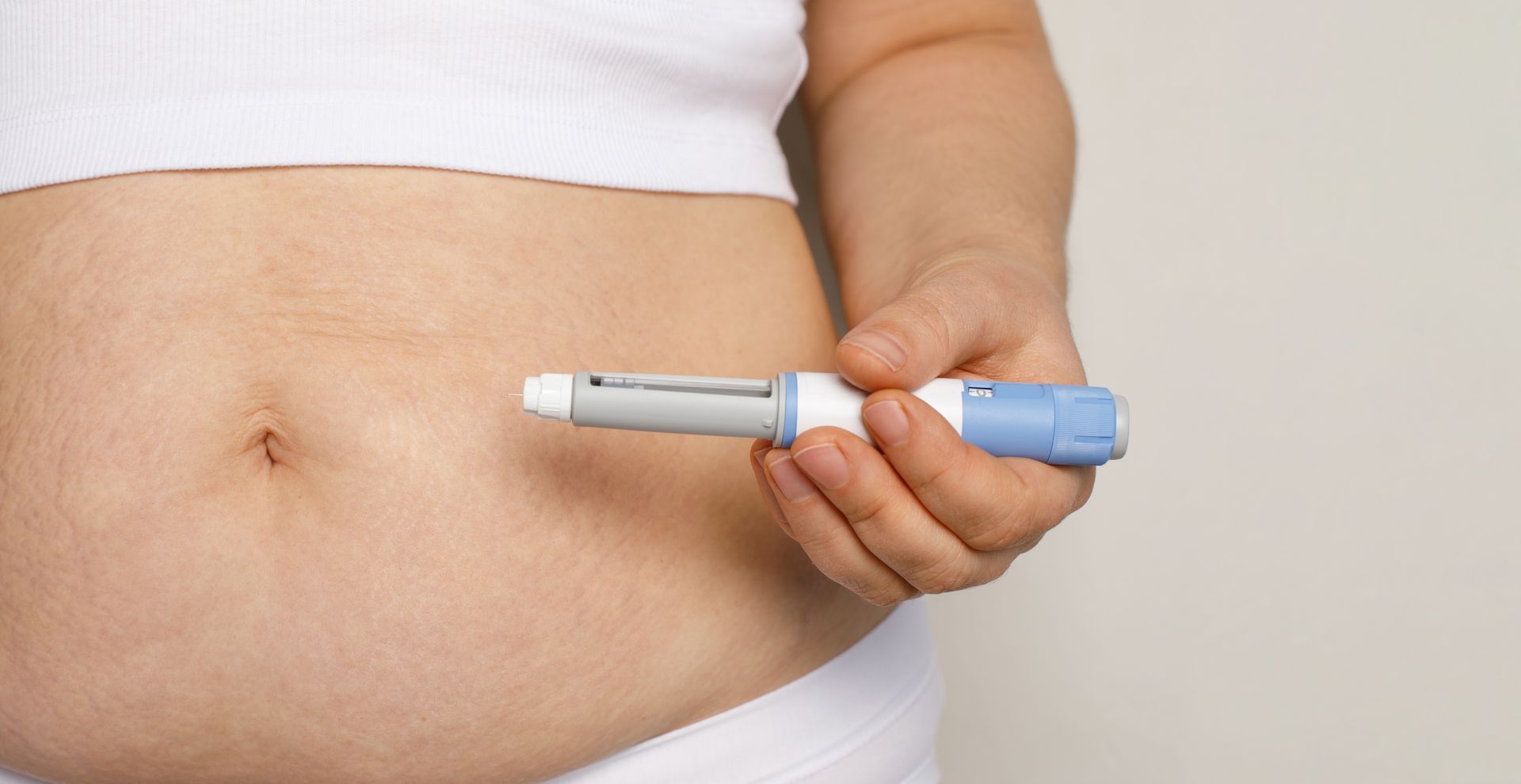
Glucagon-like Peptide-1 (GLP-1) receptor agonists are medications initially formulated to treat diabetes. However, most recently, GLP-1 has been shown to assist in weight loss and weight management programs. 


Glucagon-peptide 1 is a naturally occurring hormone in the human body that regulates blood sugar levels. GLP-1 mimics this process, stimulating the pancreas to release insulin when blood sugar levels are high, especially after meals. GLP-1 also suppresses glucagon secretion, the hormone that raises blood sugar levels. 


GLP-1’s also control the area of the brain that controls your appetite. It increases the feeling of satiety, slowing the pace at which the stomach empties, keeping you feeling fuller for longer. 

What Results Can I Expect From GLP-1 Weight-Loss Injections?

Starting a new weight loss journey can be daunting, but knowing what to expect can ease your concerns and prepare you for what’s to come.


Month 1
This month is all about allowing your body to adjust to the medication. Some patients may experience temporary nausea or lethargy as their bodies begin to process food more slowly. These side effects only last a few weeks and will decrease as your body adapts to its new normal. You’ll see a noticeable reduction in hunger and cravings, your portion sizes will shrink, and you may even prefer eating nutritious food as opposed to empty calories. 


Month 2
Month 2 yields significant weight loss and improved energy levels. Typically, patients lose 5-10% of their body weight during months one and two. As the medication continues to curb your appetite, you may eat a few smaller snacks throughout the day, rather than three large meals. Increased energy also motivates you to get physically active, further aiding in weight loss.


Month 3

As your body becomes increasingly accustomed to smaller portions and a healthy lifestyle, many patients notice continued weight loss. Any side effects you initially experienced have dissipated, boosting your confidence in managing your new eating habits. 


We continuously monitor your progress and make the necessary weekly adjustments as needed.

How Can I Manage Side Effects From GLP-1 Treatment?

Not everyone experiences side effects, but if you do, there are strategies to manage them and reduce their severity. 


Avoiding fatty, rich, or spicy foods as these could trigger nausea. Foods high in fiber help settle your stomach and keep you comfortable. Even if you’re feeling sick, do not skip a meal. Not eating for too long may worsen your symptoms. Drinking plenty of water keeps you hydrated and prevents constipation. Eat small, frequent meals. Light meals are easier on your digestive system.


With the right guidance, many of our clients can minimize discomfort associated with the new weight-loss program and continue to reap the benefits throughout treatment.

Am I A Good Candidate for GLP-1 Weight Loss Treatment?

We accept individuals over the age of 18 into our GLP-1 weight loss program once we believe you meet the necessary criteria to benefit from it. We base our decisions on your specific needs, including how the medication fits into your overall treatment plan, your risk of potential side effects, your dosage, and personal preferences. 


Usually, we can only prescribe GLP-1 treatment if you have a BMI of 30kg per square meter of weight (30kg m2) or higher and have medical conditions related to obesity. However, exceptions exist. You may be eligible for treatment when you have a BMI of 27kg/m2 but suffer from type 2 diabetes, hypertension, or high cholesterol.


Our GLP-1 treatments yield optimal results when paired with lifestyle changes such as an exercise regimen and a healthy diet. Our treatments are not a quick fix and require a commitment to healthy living.

Busting the Myths on GLP-1 Treatments for Weight Loss

While there are numerous successful GLP-1 weight-loss stories online, there are still many misconceptions about these treatments. Let’s break down the top three misconceptions to ease your inhibitions. 


Myth 1: Doctors don’t know if GLP-1s are safe

Many individuals worry about the safety of these medications. We’re here to let you know that they have been tested for efficacy in multiple trials before entering the market. Large-scale studies find that treatment may even address other health concerns, such as heart disease and sleep apnea. We only use FDA-approved products that are safe to use on qualifying patients. 


Myth 2: GLP-1s will give you the ‘’Ozempic Face’’

The Hollowed-out, gaunt appearance has been dubbed the ‘Ozempic Face’, supposedly caused by GLP-1s. The truth is, any weight loss can result in fat loss from the face. 


Myth 3: You need to eat lots of protein for the medication to work.

While protein is essential for preserving muscle tone and feeling full throughout your weight loss treatment, you don’t need to live off protein alone. For every 1 kg you weigh, eat about 1 to 1.5 grams of protein for a healthy balance of your required macronutrients. 


Roughly, this could look like (just one possible example):

  • Breakfast: 2 eggs + 100 g plain yogurt ≈ 20–25 g protein
  • Lunch: 120 g chicken breast ≈ 30–35 g protein
  • Snack: 30 g nuts or a small protein shake ≈ 10–20 g protein
  • Supper: 100 g fish or lean beef ≈ 25–30 g protein

Take The Next Step in Weight Loss

If you’ve been struggling to lose weight despite your best efforts, GLP-1 injections may offer the additional support your body needs. By working with your natural hunger signals, this treatment helps create a more manageable and sustainable approach to weight loss.


Combined with healthy lifestyle choices and experienced medical guidance, it can deliver real, lasting change. Take the next step by booking a consultation with The Studio Med Spa and discover a personalized plan tailored to your goals.

Technician performing a facial treatment on a client in a spa room with cosmetic equipment nearby
January 26, 2026
Healthy, glowing skin often reflects confidence, but daily stress, sun exposure, and aging can change how skin looks and feels. Our patients seek gentle, practical solutions that improve texture, tone, and clarity without lengthy downtime. This blog explores common concerns and explains how modern treatments deliver real, visible results. You will learn why our patients value laser skin rejuvenation benefits for smoother skin and a refreshed appearance. Whether early aging or stubborn imperfections concern you, understanding your options helps us tailor laser therapy to suit your needs. 1. Can Laser Treatment Get Rid of Acne Scars? Acne scarring often occurs after breakouts, typically affecting men and women between the ages of 12 and 35. Acne begins as lesions on the skin that become inflamed. These blemishes could be caused by hormonal imbalance and, in most cases, affect the face. Many of our patients experience different types of acne with varying degrees of severity due to genetic and immunological factors. Laser treatment for acne scars resurfaces the damaged layers of facial skin. The treatment stimulates new skin growth and reduces scar penetration and discoloration. After a few sessions, the scar will lighten and the skin will even out. Our patients typically notice a difference after three or four appointments, especially when paired with a healthy skincare routine. 2. How Does Laser Treatment Reduce Facial Redness and Broken Blood Vessels? Damaged capillaries or dilated vessels beneath the skin may lead to persistent redness. Facial erythema is a common condition, especially in people with fair skin. Facial erythema is frequently a symptom of bacterial infections or lupus, and we often treat the cause before the cosmetic issues. Laser treatment uses targeted light wavelengths that are absorbed by blood, safely shrinking broken blood vessels. This results in reduced signs of rosacea. Treatment reduces inflammation in veins without the need for chronic medication. Our therapy relieves redness and improves an even complexion with minimal downtime. 3. Can Laser Treatment Help With Rosacea? Redness and sensitivity commonly affect the cheeks and nose areas. While there is no specific cure, you can learn how to manage your symptoms. Facial laser treatment can diminish problematic blood vessels, stimulate collagen production, and strengthen your skin to counter future flare-ups. Many patients require regular sessions to calm rosacea and reduce its visibility. 4. Can Laser Treatment Reverse Sun Damage? Sun exposure often leads to pigmentation, which results in dark marks and wrinkles. We offer numerous laser techniques to treat sun-damaged skin, depending on the area and skin type. By targeting affected areas, we encourage new skin formation, reduce age spots, and even out your complexion for a more youthful appearance. In addition to laser treatment for uneven skin tone, we encourage consistent use of sun protection post-treatment to enhance results. 5.How Does Laser Treatment Reduce Wrinkles and Fine Lines? Collagen production naturally slows with age, often leading to sagging skin and fine lines. Laser treatment for wrinkles and fine lines triggers collagen renewal, slowing down your skin’s aging process. Our non-invasive therapy gently lifts the skin, improving texture and increasing elasticity. Over a few treatments, your skin regains a plumper appearance, which is a desirable look in modern beauty standards. 6. How Does Laser Treatment Fade Dark Spots and Hyperpigmentation? Hyperpigmentation from UV damage or genetic conditions often dulls your complexion. Treatment targets melanin buildup to lighten dark spots and achieve a more uniform appearance. Our patients enjoy clearer skin and a more even tone from multiple sessions of laser facial rejuvenation. 7. Can Laser Treatment Shrink Enlarged Pores? Enlarged pores often stem from uneven skin texture. Several factors could cause your pores to expand, including aging, genetic predisposition, or prolonged UV exposure. Targeted laser treatment for texture improvement can reduce the size of your pores and control their sebum levels. Tightening pore walls through collagen stimulation can result in smoother skin that resists excessive oil buildup. Refined pores can improve your skin’s appearance by creating a softer surface. 8. Can Laser Treatment Remove Spider Veins on the Face? Small blood vessels near the skin’s surface can cause unpleasant redness, typically on the cheeks. Laser skin resurfacing breaks down damaged vessels so your body can naturally absorb them. Common positive results include reduced redness and clearer skin. 9. Does Laser Treatment Work on Surgical Scars? Acne scars aren’t the only blemishes our clients struggle with. Surgical scarring also responds well to laser treatment. Over time, scars flatten and become less apparent. Not only can we achieve enhanced texture, but we can also improve skin uniformity. Using fractional technology ensures a non-invasive treatment that can reduce and even eradicate scars. How Do You Choose the Right Laser Skin Rejuvenation Treatment? Choosing the proper treatment starts with understanding your skin and trusting the guidance you receive. Our team evaluates your needs and creates a plan that supports long-term skin health. We help you feel confident and informed every step of the process. Whatever your skin concerns, laser treatment improves texture, tone, and clarity. If you want smoother, brighter skin with expert care, we’re ready to guide you towards your goals. Contact us for a professional and tailored consultation where we put your needs first.
Promotional banner for “8 Benefits of Peptides” for skin rejuvenation and anti-aging, with four smiling faces.
January 26, 2026
Peptides are powerful, naturally occurring ingredients that help revive your skin. Incorporating peptide treatments into your skincare appointments can help you achieve a youthful, healthy glow. Peptides are powerhouse ingredients in skincare, a natural approach to anti-aging, repair, and hydration for suppler, firmer skin. How Do Peptides Help Rejuvenate Your Skin? Peptides continue to grow in popularity thanks to their powerful skin protection properties. We’ve highlighted the top 4 benefits of peptides for skin health. Collagen stimulation - peptides for collagen stimulation, also known as signal peptides, notify skin cells to increase collagen production. This critical protein provides skin with elasticity and firmness, which are essential for smooth, plump skin. Enhancing the skin barrier – your skin is the first line of defense against the sun, environmental factors, and a lack of hydration. Peptides can reinforce this protective barrier by gathering vital minerals that enhance barrier function, aiding in hydrated, resilient skin. Anti-inflammatory – inflammation can accelerate aging and contribute to numerous skin problems, including acne and rosacea. Some types of peptides can reduce inflammation by restricting the creation of pro-inflammatory molecules. Wound healing – peptides can promote healing and skin regeneration. Copper peptides enhance collagen production, accelerating tissue repair and reducing the recovery period. By boosting skin cell turnover, skin can heal more quickly and may even reduce scarring. How Do Peptides Help With Anti-Aging? The age-defying properties of peptides have numerous benefits in skincare, which explains why they’re so popular. Peptides for fine lines and wrinkles – neurotransmitter inhibitor peptides are key to reducing wrinkles in the skin. Since these peptides block the indicators of muscle movement, your facial muscles relax more. This can lead to smoother skin and fewer fine lines. Improving firmness – signal peptides for skin elasticity help achieve firmer, suppler skin. They support collagen and elastin production by increasing the levels of growth factors that decline with age. The result is plumper, more youthful-looking skin. Brighter skin – Carrier peptides can improve skin radiance by delivering essential trace minerals that are imperative for healthy skin function. Specific peptides can protect against oxidative stress and UV damage, promoting a brighter skin tone. Combating dryness – peptides help the skin stay moist and soft by boosting its water-holding capacity. They help build and support collagen, elastin, and natural water‑holding substances in the skin, which keep it firm and bouncy. Peptides also help the skin retain moisture longer, so it feels hydrated instead of dry. Why Do Peptides Work Better Than Other Anti-Aging Treatments? Peptides transform anti-aging skincare by communicating directly with skin cells to support renewal, strength, and resilience. They work intelligently with natural skin processes, which explains the growing focus on peptide skincare benefits. This approach delivers visible improvements while supporting long-term skin health and confidence. They deliver impressive results while remaining gentle, making them suitable for sensitive, dry, or weakened skin types. They align with the skin’s natural biology, encouraging cellular communication without aggressive exfoliation or irritation. They remain safe for continued use, supporting ongoing regeneration and forming a reliable base for long-term rejuvenation routines. Who Is a Good Candidate for Peptides for Wrinkle Reduction? Peptide skincare suits anyone noticing early or advanced signs of aging, including fine lines, sagging, or dull skin. It also benefits those with sensitive or irritated skin who want a gentle anti-aging solution. People who want to boost collagen and skin firmness, as well as those focused on preventive skincare, can experience visible benefits. Peptides for skin firming support overall structure, hydration, and repair, making them versatile across multiple concerns. Most skin types, including sensitive skin, tolerate peptides well when used correctly. However, pregnant or breastfeeding individuals and those with certain conditions like eczema or psoriasis should consult with us before starting any peptide-based treatments. How Can Peptides Transform Your Skin Long-Term? Small molecules often drive the most potent skin transformations, and peptides prove this every day in advanced skincare. They communicate with skin cells to support collagen production, elasticity, and cellular repair. This targeted approach helps skin look firmer, smoother, and more resilient over time. Unlike aggressive treatments, peptides respect skin balance while still delivering visible rejuvenation. Anti-aging peptides also support long-term skin health, not just short-term cosmetic improvement. With consistent use, skin gains strength, clarity, and a healthier glow. These benefits make peptides a smart choice for anyone seeking sustainable anti-aging results. If you want personalized guidance and professional-grade treatments, book a consultation with us and let’s start your skin rejuvenation journey together today.
Hands holding two small vaccine vials, one blue label and one clear label, against a blurred white background
January 12, 2026
The field of peptides in aesthetic medicine is evolving. Still, we do know that they’re a valuable tool for numerous cosmetic treatments. Peptides are molecules made up of proteins that send positive signals to your body. They’re an essential building block of cells, instrumental in various biological functions. There are four main types of medical-grade peptides, classified by their specific functions. 1. What Are Signal Peptides and What Do They Do? Signal or bioactive peptides direct proteins to their proper place within the cell. These cosmetic peptides are typically used in skin repair, healing, and regeneration. They trigger the production of collagen and elastin, support healthier skin, and accelerate repair. 2. What Are Carrier Peptides and How Do They Work? Carrier peptides are amino acids that help deliver other molecules into your skin cells. On their own, they might not do much, but their job is to carry essential ingredients deep into the skin where they can do powerful work. In aesthetic medicine and skincare, carrier peptides are often used to firm the skin, accelerate healing after procedures, and improve overall skin health. 3. How Do Enzyme-Inhibitor Peptides Slow Skin Aging? Your skin naturally contains enzymes that break down proteins like collagen and elastin, which help keep your skin firm and smooth. Over time, or due to sun damage, these enzymes can work too hard, leading to wrinkles and sagging. Enzyme-inhibitor peptides slow down or block these enzymes, helping to protect the structure of your skin and keep it looking younger for longer. While carrier peptides deliver helpful ingredients, enzyme-inhibitor peptides are the brakes that stop your skin from aging too fast. 4. How Do Neurotransmitter Peptides Reduce Wrinkles? Your facial muscles receive signals from nerves that tell them to contract, ultimately causing expression lines and wrinkles over time. Neurotransmitter peptides interfere with these motions, so the muscles don’t contract as much. The result is smoother skin and fewer wrinkles, similar to what Botox does, but in a more natural way. These peptides for anti-aging tell your facial muscles to relax, helping prevent the formation of wrinkles. How are Growth Factor Peptides Used in Aesthetic Treatments? Peptides help revitalize your skin at a cellular level, making it healthier and firmer while providing hydration. They possess the capacity to target a specific action, where each type has its own function. Thanks to their small size, they have an unmatched capability to penetrate the skin. We deliver peptides in several ways to give your skin exactly what it needs. Creams, masks, and serums provide daily nourishment and support, keeping your skin healthy and glowing. Our microneedling treatments help peptides reach deeper layers, boosting collagen and repairing from within. For more targeted effects, precise injections stimulate collagen, relax muscles, and encourage natural healing. Each treatment works with your skin, helping it feel firmer, look smoother, and remain radiant. What's the Difference Between Injectable and Topical Peptides? Topical peptides, found in serums and creams, nourish the skin’s surface. They gently signal your cells to increase collagen, enhance elasticity, create healthy skin barriers, and reduce inflammation. Over time, this helps your skin look smoother, firmer, and calmer, making it safe and ideal for at-home use. Injectable peptides are delivered underneath the skin and into deeper tissues for more targeted clinical effects. These treatments can support faster healing, tissue regeneration, muscle recovery, youth-enhancing results, and metabolic benefits. Injectable peptides work from within, while topical peptides support your skin from the outside. We often combine topical and injectable peptides for truly comprehensive results. Combining the two allows us to personalize your treatment, giving both visible surface results and deeper, long-lasting benefits. Whether you’re focused on prevention or advanced results, peptide therapy aesthetics can be tailored to meet your skin and body’s unique needs. When Will I See Results From My Peptide Treatment? The time it takes to notice changes from treatment depends on the method and the types of peptides used for skin rejuvenation. Topical peptides generally yield initial improvements in terms of hydration and smoothness, and some patients notice a plumping effect after the first few weeks. After roughly three months of regular treatments, the elasticity and firmness of your skin improve while softening fine lines. Your skin will continue to improve in texture and condition as we advance. Patients typically start seeing results from injectable peptides after three days of treatment. Early results include better sleep, increased energy, and improved skin quality. How Can a Peptide Treatment Plan Be Personalized for Your Skin?  Peptides have earned their place in new-age health and skin care, as they communicate with the body at a cellular level, helping our skin function more efficiently. Peptides for collagen production form part of natural regenerative aesthetics treatment , enabling individuals to age gracefully without harsh procedures and recovery time. Our team brings years of aesthetic experience and understanding to every appointment, integrating treatments to suit your body’s unique needs. We understand that skincare is not a one-size-fits-all procedure, and we tailor our approach to deliver youthful results. For more information on aesthetic peptide treatment, contact us today.
Show More