What are 4 Types of Peptides Used in Aesthetic Medicine?
Published Date:

Written By: Studiomedspa
Editorial Team
The field of peptides in aesthetic medicine is evolving. Still, we do know that they’re a valuable tool for numerous cosmetic treatments. Peptides are molecules made up of proteins that send positive signals to your body. They’re an essential building block of cells, instrumental in various biological functions.
There are four main types of medical-grade peptides, classified by their specific functions.
1. What Are Signal Peptides and What Do They Do?
Signal or bioactive peptides direct proteins to their proper place within the cell. These cosmetic peptides are typically used in skin repair, healing, and regeneration. They trigger the production of collagen and elastin, support healthier skin, and accelerate repair.
2. What Are Carrier Peptides and How Do They Work?
Carrier peptides are amino acids that help deliver other molecules into your skin cells. On their own, they might not do much, but their job is to carry essential ingredients deep into the skin where they can do powerful work.
In aesthetic medicine and skincare, carrier peptides are often used to firm the skin, accelerate healing after procedures, and improve overall skin health.
3. How Do Enzyme-Inhibitor Peptides Slow Skin Aging?
Your skin naturally contains enzymes that break down proteins like collagen and elastin, which help keep your skin firm and smooth. Over time, or due to sun damage, these enzymes can work too hard, leading to wrinkles and sagging. Enzyme-inhibitor peptides slow down or block these enzymes, helping to protect the structure of your skin and keep it looking younger for longer.
While carrier peptides deliver helpful ingredients, enzyme-inhibitor peptides are the brakes that stop your skin from aging too fast.
4. How Do Neurotransmitter Peptides Reduce Wrinkles?
Your facial muscles receive signals from nerves that tell them to contract, ultimately causing expression lines and wrinkles over time. Neurotransmitter peptides interfere with these motions, so the muscles don’t contract as much.
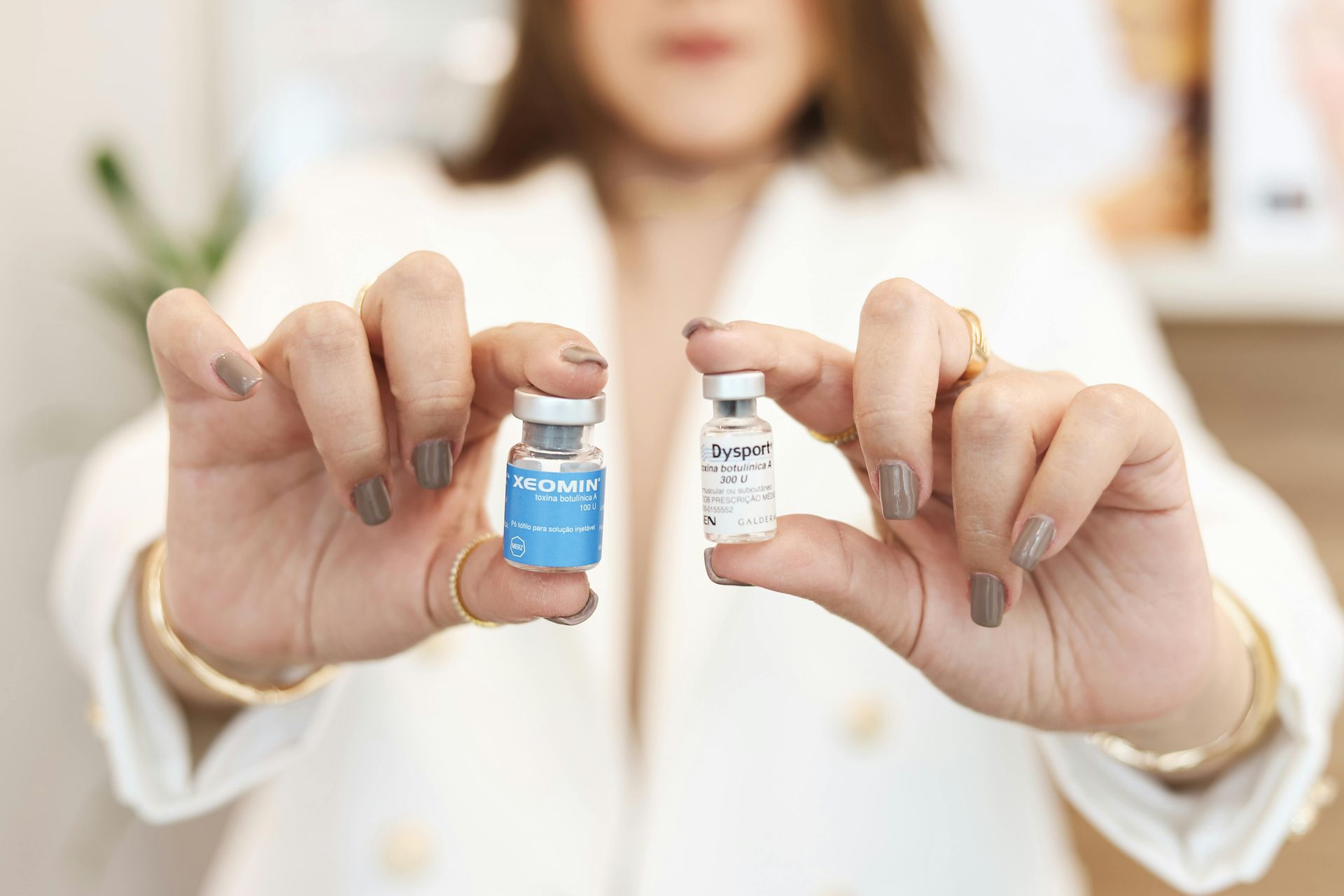
The result is smoother skin and fewer wrinkles, similar to what Botox does, but in a more natural way. These peptides for anti-aging tell your facial muscles to relax, helping prevent the formation of wrinkles.
How are Growth Factor Peptides Used in Aesthetic Treatments?
Peptides help revitalize your skin at a cellular level, making it healthier and firmer while providing hydration. They possess the capacity to target a specific action, where each type has its own function. Thanks to their small size, they have an unmatched capability to penetrate the skin.
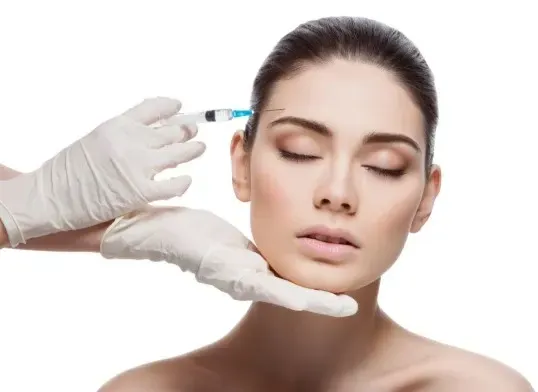
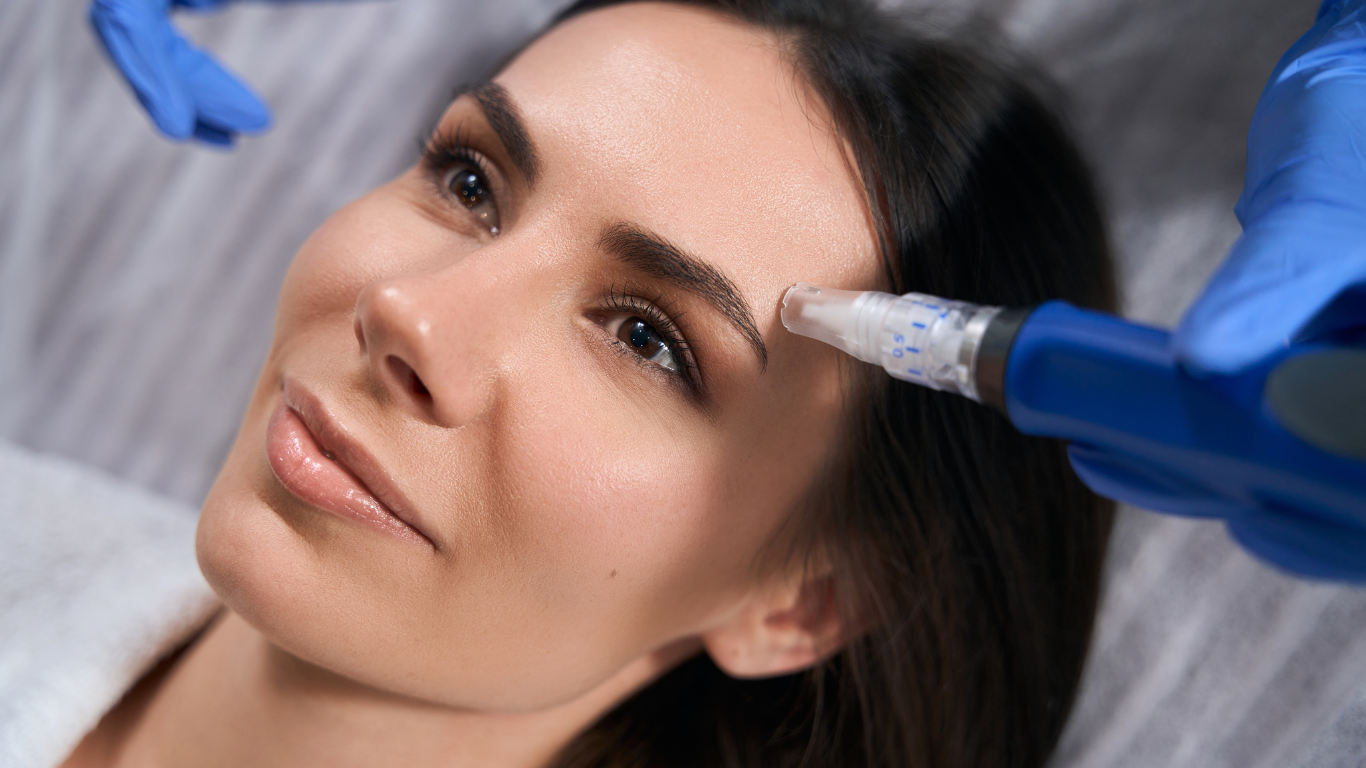
We deliver peptides in several ways to give your skin exactly what it needs. Creams, masks, and serums provide daily nourishment and support, keeping your skin healthy and glowing. Our microneedling treatments help peptides reach deeper layers, boosting collagen and repairing from within. For more targeted effects, precise injections stimulate collagen, relax muscles, and encourage natural healing. Each treatment works with your skin, helping it feel firmer, look smoother, and remain radiant.
What's the Difference Between Injectable and Topical Peptides?
Topical peptides, found in serums and creams, nourish the skin’s surface. They gently signal your cells to increase collagen, enhance elasticity, create healthy skin barriers, and reduce inflammation. Over time, this helps your skin look smoother, firmer, and calmer, making it safe and ideal for at-home use.
Injectable peptides are delivered underneath the skin and into deeper tissues for more targeted clinical effects. These treatments can support faster healing, tissue regeneration, muscle recovery, youth-enhancing results, and metabolic benefits. Injectable peptides work from within, while topical peptides support your skin from the outside.
We often combine topical and injectable peptides for truly comprehensive results. Combining the two allows us to personalize your treatment, giving both visible surface results and deeper, long-lasting benefits. Whether you’re focused on prevention or advanced results, peptide therapy aesthetics can be tailored to meet your skin and body’s unique needs.
When Will I See Results From My Peptide Treatment?
The time it takes to notice changes from treatment depends on the method and the types of peptides used for skin rejuvenation. Topical peptides generally yield initial improvements in terms of hydration and smoothness, and some patients notice a plumping effect after the first few weeks. After roughly three months of regular treatments, the elasticity and firmness of your skin improve while softening fine lines. Your skin will continue to improve in texture and condition as we advance.
Patients typically start seeing results from injectable peptides after three days of treatment. Early results include better sleep, increased energy, and improved skin quality.
How Can a Peptide Treatment Plan Be Personalized for Your Skin?
Peptides have earned their place in new-age health and skin care, as they communicate with the body at a cellular level, helping our skin function more efficiently. Peptides for collagen production form part of natural regenerative aesthetics treatment, enabling individuals to age gracefully without harsh procedures and recovery time.
Our team brings years of aesthetic experience and understanding to every appointment, integrating treatments to suit your body’s unique needs. We understand that skincare is not a one-size-fits-all procedure, and we tailor our approach to deliver youthful results. For more information on aesthetic peptide treatment, contact us today.
Written By: Studiomedspa
Editorial Team
Our editorial team is dedicated to providing accurate, evidence-informed information on aesthetic medicine, skincare, and wellness. Working closely with medical professionals and industry experts, we develop carefully researched content designed to help patients better understand their treatment options and make informed decisions about their care.
Recent Blogs