The Best Time of Year to Get Laser Treatments and Why Timing Matters
December 22, 2025

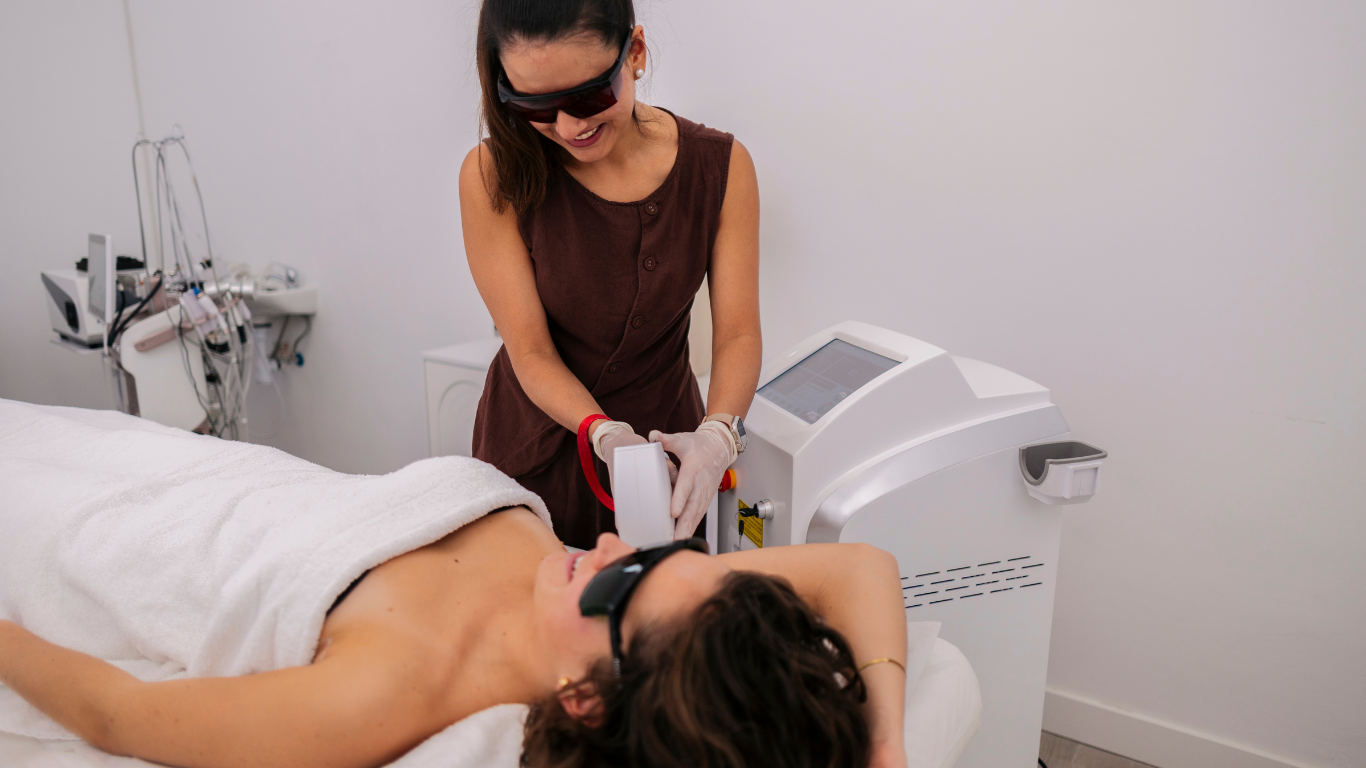
Laser treatment is a popular skin rejuvenation treatment, but timing plays a key role in the overall result. This minimally invasive procedure targets a variety of concerns like fine lines, scarring, and uneven skin tone.


While you can have professional laser treatment during any season, you can optimise your laser facial timing to maximize results. The months during fall and winter offer ideal weather conditions for effective healing, with minimal UV exposure and milder temperatures.


Why Does the Season Matter for Laser Treatments?


Side effects from laser treatments are typically mild and short-term; however, sun exposure and heat may enhance these reactions. Exposing your skin to the sun before or after your treatment increases the possibility of developing hyperpigmentation, which is usually permanent.


Winter is the preferred season for laser resurfacing, too, as the newly exfoliated skin is sensitive to the sun and harsh temperatures. Laser skin treatments build on your skin’s natural sensitivity by temporarily making the treated area more reactive. Prolonged exposure can cause the issues that the treatment is fighting, including freckling and aging.


We recommend you protect your skin from the sun for 6 weeks before any laser treatment. Avoid spending time outside, apply sunscreen twice a day, and wear sun-protective clothing. These measures are difficult during the summer season, which makes the cooler months easier to minimize risk.


How Do Laser Treatments Affect Sun Sensitivity?


Laser resurfacing removes damaged skin and boosts collagen to enhance texture, tone, and overall appearance. Whether you choose fractional, ablative, or non-ablative treatments, your skin will temporarily become more sensitive to sunlight.


This increased photosensitivity happens because laser procedures create controlled micro-injuries that trigger healing and regeneration. During recovery, your skin loses some of its natural defenses and reacts more easily to UV exposure. Proper timing of laser skin treatments and sun protection ensures the best results while keeping your skin safe.


How Long Does Skin Stay Sensitive After a Laser Treatment?


Immediate post-treatment sensitivity: laser resurfacing temporarily removes or disrupts the skin’s protective outer layer. As new skin forms, the treated area becomes especially vulnerable to sun damage.


Extended sensitivity periods:

  • Ablative lasers - skin can remain sensitive for 3–6 months or longer.
  • Fractional lasers - increased sensitivity usually lasts 4–8 weeks.
  • Non-ablative lasers - photosensitivity typically continues for 2–4 weeks.
  • Multiple treatment sessions - sensitivity can accumulate throughout the entire course.


Understanding these timelines helps you plan sun protection and recovery strategies to maintain healthy, radiant results.


Why Is Cool Weather Better for Laser Recovery?


Recovering from laser resurfacing can be more comfortable during fall and winter. Beyond reduced sun exposure, cooler temperatures, lower humidity, and seasonal lifestyle changes also support faster, smoother healing.


How Do Temperature and Humidity Affect Laser Healing?


  • Reduced inflammation – cooler air naturally calms swelling and discomfort that often follow laser treatments. It feels soothing on sensitive skin, unlike hot summer conditions, which can increase irritation.
  • Lower humidity prevents complications – less sweat helps prevent irritation and reduces infection risk. Drier air also limits bacterial growth and keeps the skin feeling comfortable.
  • Improved product effectiveness – skincare serums and healing ointments absorb better in controlled humidity, supporting your skin’s recovery.
  • Natural cooling effects – winter air gently cools treated areas, minimizing heat and inflammation after procedures. This natural environment reduces reliance on extra cooling measures and encourages the skin’s own healing process.


Choosing the best time for laser treatments in cooler months helps take advantage of these environmental benefits, promoting healthier, more comfortable recovery.


How Do Fall and Winter Lifestyles Support Laser Recovery?

  • Indoor focus during recovery - fall and winter naturally encourage staying indoors, which suits post-laser care. Limiting outdoor activities reduces sun exposure, allows for proper rest, and gives more time for consistent skincare routines.
  • Protective clothing advantages – layered winter clothing naturally shields treated areas, providing gentle protection while you heal.


These simple lifestyle adjustments support your skin’s healing and enhance long-term treatment results.


When Should You Schedule Your Laser Skin Rejuvenation Treatment?


Cooler months represent the perfect opportunity to invest in A-grade quality treatments with us. Understanding the importance of when to get a laser facial helps make sure that your procedure provides maximum benefits with nominal risks. The months you spend nurturing your skin translate into decades of healthy appearance.


We aim to help individuals achieve skin transformation through skillfully timed and executed laser facials. Our approach blends advanced technology with curated planning that takes your lifestyle and aesthetic goals into mind.


Prepare your skin for the coming year with our laser rejuvenation tips and reap the benefits with The Studio Med Spa. 

Laser hair removal treatment on a person's leg in a spa clinic
May 22, 2026
These days, hair-free doesn’t have to mean painful waxes or time-consuming shaving rituals. Laser hair removal is the modern-day gold standard for smooth skin and reduced hair growth, thanks to its ability to target hair follicles. Our treatment uses concentrated light to deactivate hair follicles and prevent regrowth. The process is non-invasive, safe, and ideal for individuals seeking smooth skin without the hassle of outdated hair-removal methods. The results are generally permanent, although some patients may require maintenance sessions. Laser hair removal does require commitment. Patients require multiple sessions for it to give the results you want. How many laser hair removal sessions, you ask? Let’s find out below. What Is the Hair Growth Cycle? To understand why you need more than one session, it’s important to know the fundamentals of the hair growth cycle. Hair grows in three phases: The anagen, or growth phase, is when hair actively grows and is the most responsive to laser treatment. There’s a short period when the hair stops growing and detaches from the blood supply, known as the catagen, or transitional, phase. Eventually, the hair falls out. This stage, called the telogen or resting phase, is when hair does not respond to lasers. Laser hair removal can only treat hair in the anagen phase. The average number of laser hair removal treatments patients require ranges from 6 to 8, every 4 to 8 weeks, to align with the follicles in various phases. How Many Laser Sessions Should I Get? A common misconception is that you only need one laser hair removal session to be hair-free. Unfortunately, that is not the case. Only a portion of your hair is in its growth phase at any given time; the rest is either undeveloped or preparing to fall out, making it unattainable by lasers. On average, around 20% of your hair is in the anagen phase during a hair removal appointment. This means you’d need at least 6 sessions to catch all the hair in its most vulnerable phase. Some areas may require additional sessions, depending on hair coarseness and the area to treat. Number of Sessions According to Body Area While some areas respond relatively quickly to laser hair removal, others may require a few more sessions to achieve your desired results. Facial hair on the lip and chin is relatively fine compared to other body areas, and can be influenced by hormones. This area usually requires 6 to 12 sessions for effective results. Thick underarm hair responds well to laser treatment, needing 6 to 8 sessions for ideal results. The bikini line is also quick to treat, but could still require 6 to 10 appointments. Arms and legs cover a considerable amount of space, needing 6 to 10 sessions. In men, the back and chest have dense hair growth and require around 8 to 12 sessions. What Factors Influence Laser Hair Removal? Your hair color and skin tone play major roles in the number of sessions you require and the overall effectiveness of your treatment. Dark hair and light skin are the perfect combination. The laser targets the hair pigment, so this contrast helps the device easily identify and break down the follicle without damaging the surrounding tissue. Light-colored hair contains less melanin, making it difficult for the device to detect. This could mean more sessions to realize your goals. Because dark-toned skin has a high melanin content, it can absorb the laser’s heat, leading to irritation in the area. Darker-skinned individuals may require more sessions or special laser devices to ensure safe and effective treatment. How Much Does Laser Hair Removal Cost? Laser hair removal cost per session can vary depending on several factors, including the size of the treatment area, the number of sittings needed, and your individual hair type and density. Laser hair removal prices by area mean that smaller areas generally cost less than larger treatment areas. Many clients choose package options because they are more cost-effective than booking individual sessions. At The Studio Med Spa, we discuss pricing during your consultation so we can recommend a treatment plan tailored to your goals and hair growth patterns. Our laser hair removal packages of three sessions currently start at $149 for small areas, $279 for medium areas, and $419 for large areas. Members may also qualify for additional savings on treatments and packages. Does The Studio Med Spa Offer Laser Hair Removal? The Studio Med Spa offers safe and effective hair removal in San Marcos, Encinitas, and Rancho Penasquitos. Our team takes the time to understand your skin and hair type, and your treatment goals, so that we can recommend a personalized plan designed for long-term results. If you have questions about our laser hair removal cost and sessions, we’re here to guide you through the process and help you feel comfortable and informed from your very first appointment. Don’t hesitate to contact us if you have any questions or want to book a first consultation.
Laser hair removal treatment on a patient's leg in a spa clinic
May 20, 2026
IPL therapy, or intense pulsed light treatment, is a non-invasive aesthetic technique that targets and improves various skin conditions. This advanced treatment uses light at a specific frequency to target skin imperfections, resulting in a clear, radiant complexion. IPL uses pulses of broad‑spectrum light to gently heat the skin and target unwanted pigment just below the surface. As this pigment absorbs light, it breaks into tiny particles that your body gradually clears away, softening sun damage, age spots, redness, and other discoloration over time. Because IPL emits multiple wavelengths rather than a single laser beam, it can treat several pigment‑related skin concerns in one versatile treatment. What Does IPL Treat? IPL therapy is a multipurpose treatment that can improve a wide range of common skin concerns, helping the skin appear clearer, brighter, and more even over time. As treatment can target several concerns at once, many patients choose IPL to refresh their overall complexion without surgery or extensive downtime. Hyperpigmentation Dark marks and freckles caused by sun exposure are common reasons patients choose IPL treatment with us. This treatment targets the melanin beneath the skin and breaks down the pigments that form the clusters of discoloration. Over the course of your IPL sessions, you’ll notice reduced visibility of these marks and more even skin tone, making it among the most effective hyperpigmentation procedures available. Improved Skin Texture Enlarged pores and fine lines can inhibit your skin’s natural glow. IPL therapy stimulates collagen production to keep your skin smooth, supple, and plump. You’ll benefit from improved texture and natural radiance. Reduced Redness and Rosacea Damaged capillaries and veins, or conditions like rosacea, can be difficult to treat with topical skincare products alone. IPT therapy gently shrinks blood vessels beneath your skin’s surface to reduce redness and encourage a more balanced skin tone. Minimizes Scarring IPL’s wavelengths penetrate deeper layers of the skin to eliminate acne-causing bacteria, reducing redness and inflammation. It may also reduce the severity of scars by promoting healing from within, offering a double benefit for individuals battling breakouts. Fights Signs of Aging IPL therapy can help soften some of the most common visible signs of aging while also encouraging collagen production within the skin. Over time, this can leave the skin looking more refreshed, with gradual improvements after each treatment session. What Is An IPL Photofacial Treatment? Unlike laser treatment, which uses a single wavelength, IPL emits multiple wavelengths that penetrate the skin to target melanin and hemoglobin. An IPL photofacial is a non-invasive treatment to improve the color and texture of the skin. This treatment aims to reverse the effects of various skin conditions, often caused by sun damage—known as photoaging. An IPL photofacial benefits areas including the face, neck, chest, and hands. The multi-wavelength emissions target pigment and vascular flaws, without harming the surrounding tissue, making it a safe and effective procedure. What Can I Expect During My IPL Appointment? If you’re new to IPL treatment, knowing what to expect before your appointment can help you prepare and ease your concerns. Before your session, we clean your skin with an antibacterial solution. Depending on your pain tolerance, we may apply a cooling gel to minimize possible discomfort. You’ll wear protective eyewear throughout the procedure to shield your eyes from the light pulses. The IPL device releases bursts of light, which patients often describe as a mild snapping-like sensation on the skin. While not completely painless, most patients find the treatment tolerable. Expect slight redness or swelling after your session, which usually subsides within an hour or two. Avoid any UV exposure, and wear sunscreen generously while your skin heals. Frequently Asked Questions How long does IPL therapy last? Noticeable skin improvements typically last between 6 months and 1 year. Doing more treatments every few months can help prolong and maximize your results. How long does one IPL session take? The exact time depends on the area being treated. It can take between an hour and an hour-and-a-half, including the pre-treatment topical numbing application. When will I see results from my IPL treatment? Patients usually begin to see their results 7 days after the treatment, with the final results visible after 2 weeks. As IPL stimulates new collagen production, results will continue to improve for up to 6 months after your initial appointment. Who is not a candidate for intense pulsed light therapy? We don’t recommend IPL for patients currently taking Accutane or those who are pregnant or breastfeeding. Is IPL Therapy Right for Your Skin Goals? If you’re considering IPL for pigmentation and redness, the best place to start is with a professional skin assessment. At The Studio Med Spa, our team takes the time to evaluate your skin concerns, understand your goals, and recommend a treatment plan tailored to you. Whether you’re looking to brighten sun-damaged skin, reduce visible redness, or refresh your complexion, we’re here to help you feel confident in your skin again.
Woman receiving a blue-light facial treatment with a handheld device on her cheek
May 18, 2026
Core Insights: RF skin tightening uses radiofrequency heat to stimulate the production of new collagen and elastin, improving firmness and skin quality from the inside with minimal downtime. It can target most body areas, especially the face, neck, jawline, and décolletage, to address early to moderate sagging, fine lines, and loss of elasticity. Results are real but gradual: most patients see their best improvement after several sessions, with collagen changes peaking around six weeks and continuing over time. The treatment is non-surgical, generally comfortable (a warm, relaxing sensation). It allows you to return to normal activities right away, though mild redness is common. RF can be combined with other treatments such as laser, microneedling, and medical-grade skincare for a layered approach that enhances and prolongs tightening results. RF Skin tightening is a non-surgical cosmetic procedure that uses electromagnetic energy to deliver heat beneath the skin, stimulating collagen production. Non-invasive skin-tightening treatments are in, yet many of our patients wonder whether they’re just a trend or actually work. The truth is, RF laser skin tightening can deliver noticeable results when performed under clinical supervision and customized to your unique requirements. At The Studio Med Spa, we guide patients seeking skin treatment options through tailored plans. Our treatments focus on long-term skin health and improving firmness from the inside.
Show More