Why PRP and PRF Are Becoming Popular for Under-Eye Rejuvenation
December 22, 2025

The area surrounding the eyes is the first to show signs of aging due to multiple factors. This delicate skin lacks protective subcutaneous fat and has fewer oil glands, making it prone to dryness and collagen loss. The eye area endures constant muscle movement from blinking and squinting. It is also a prominent area that shows sleep deprivation, wrinkles, puffiness, and sagging skin.


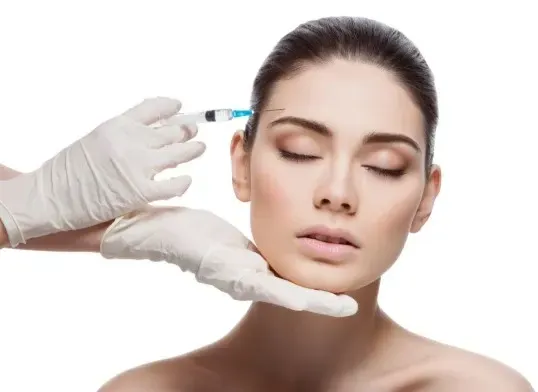
Platelet Rich Plasma (PRP) and Platelet-Rich Fibrin (PRF) have become increasingly popular for treating the skin under your eyes as they focus on harnessing your body’s natural healing abilities. These treatments stand out for rejuvenating the skin without the need for invasive surgeries and downtime. By utilizing naturally produced platelets, PRF and PRP under eye treatment therapies enhance natural restoration, leading to visible improvements in your appearance.


How Do PRP and PRF Use Your Body's Natural Healing?


PRP and PRF treatments work with the body’s organic healing and regenerative abilities. This approach uses your own platelets to support healthier, refreshed skin. Think of it as encouraging your skin to do what it already knows to do.


Platelets play a far bigger role than helping blood clot. They carry powerful growth factors that guide the healing process. These growth factors attract repair cells and support collagen production. Collagen keeps skin firm, smooth, and resilient. As collagen levels decline with age, wrinkles, laxity, and loss of volume become more noticeable.


When PRP or PRF enters the skin, it directs the body’s repair response to that area. Platelets release growth factors that encourage cell renewal and tissue repair. They also stimulate fresh collagen formation. This process improves skin quality from within, leading to smoother texture, better tone, and a naturally refreshed appearance through natural under-eye treatments.


How Do PRP and PRF Treat Under-Eye Concerns?


PRF has gained considerable interest for under-eye concerns due to its advanced regenerative benefits. Compared to PRP, PRF delivers a higher platelet concentration within a supportive fibrin structure. This structure releases growth factors gradually, allowing results to develop over time. The fibrin framework supports new cell growth while strengthening collagen and elastin layers. Skin under the eyes appears smoother, fuller, and more flexible.

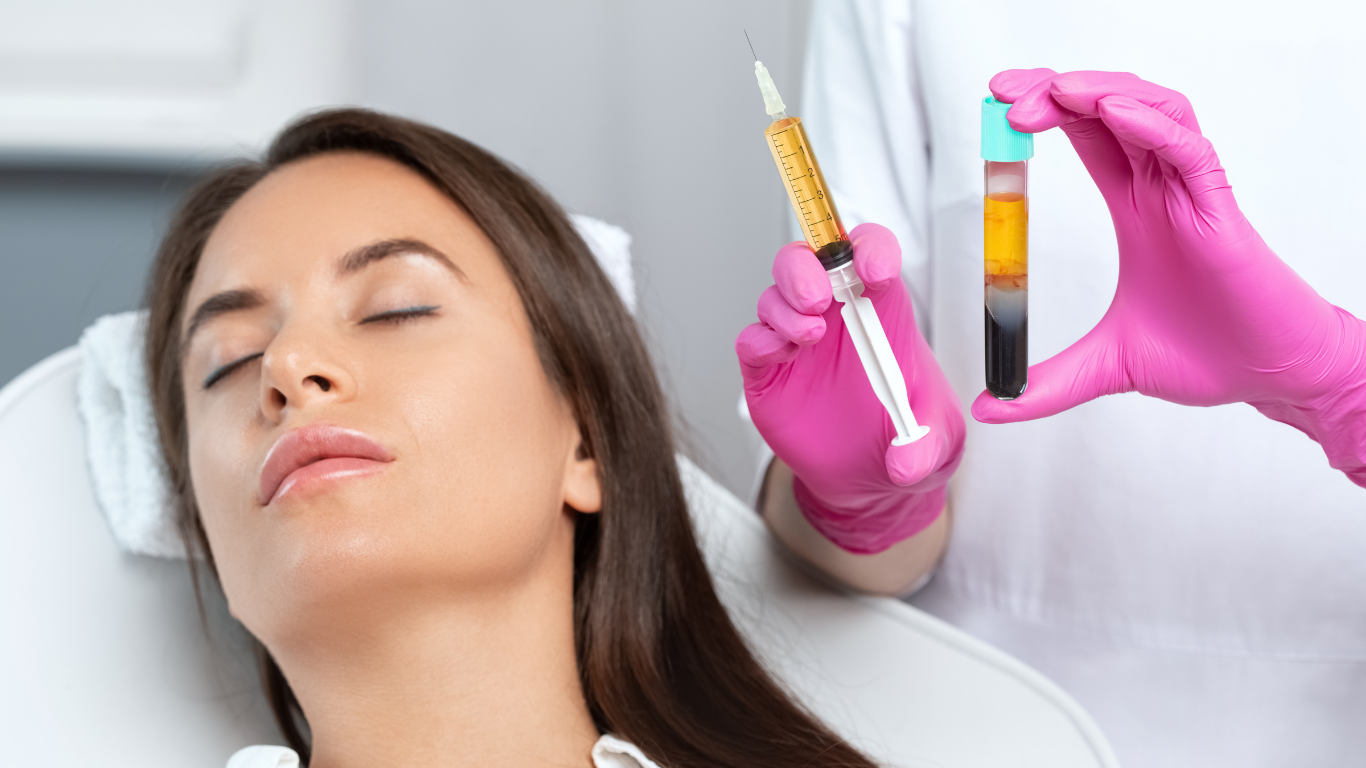
During a PRF treatment, we collect and process a small blood sample to yield a concentrate platelet-rich fibrin. We then place precise injections beneath the eyes to improve skin texture and elasticity. This approach helps address tear troughs, fine lines, hollowness, and discoloration. Many clients explore dark circles treatment through PRP and PRF for under-eye hollows to achieve a brighter, well-rested look.


You may experience mild swelling, redness, or bruising after treatment, which usually fades within a few days. Expect visible results within weeks that typically last six to twelve months. Many patients choose a series of three to five sessions for optimal improvement, depending on goals and individual needs.


What's the Difference Between PRP and PRF for Under-Eye Treatment?


PRP and PRF both harness your body’s own platelets to refresh and restore delicate under-eye skin, but their method differs slightly. PRP contains a high concentration of platelets in plasma, delivering a quick burst of growth factors to stimulate collagen and improve skin texture. PRF, on the other hand, includes a fibrin matrix that allows platelets to release healing proteins gradually over time. This prolonged activity supports deeper tissue repair, encourages new cell growth, and enhances skin elasticity.


Understanding the PRP vs PRF under-eye processes helps you choose the proper treatment for your goals. Both options brighten, smooth, and naturally rejuvenate tired-looking eyes, leaving the area refreshed and youthful.


How Often Should I Get PRP Treatments?


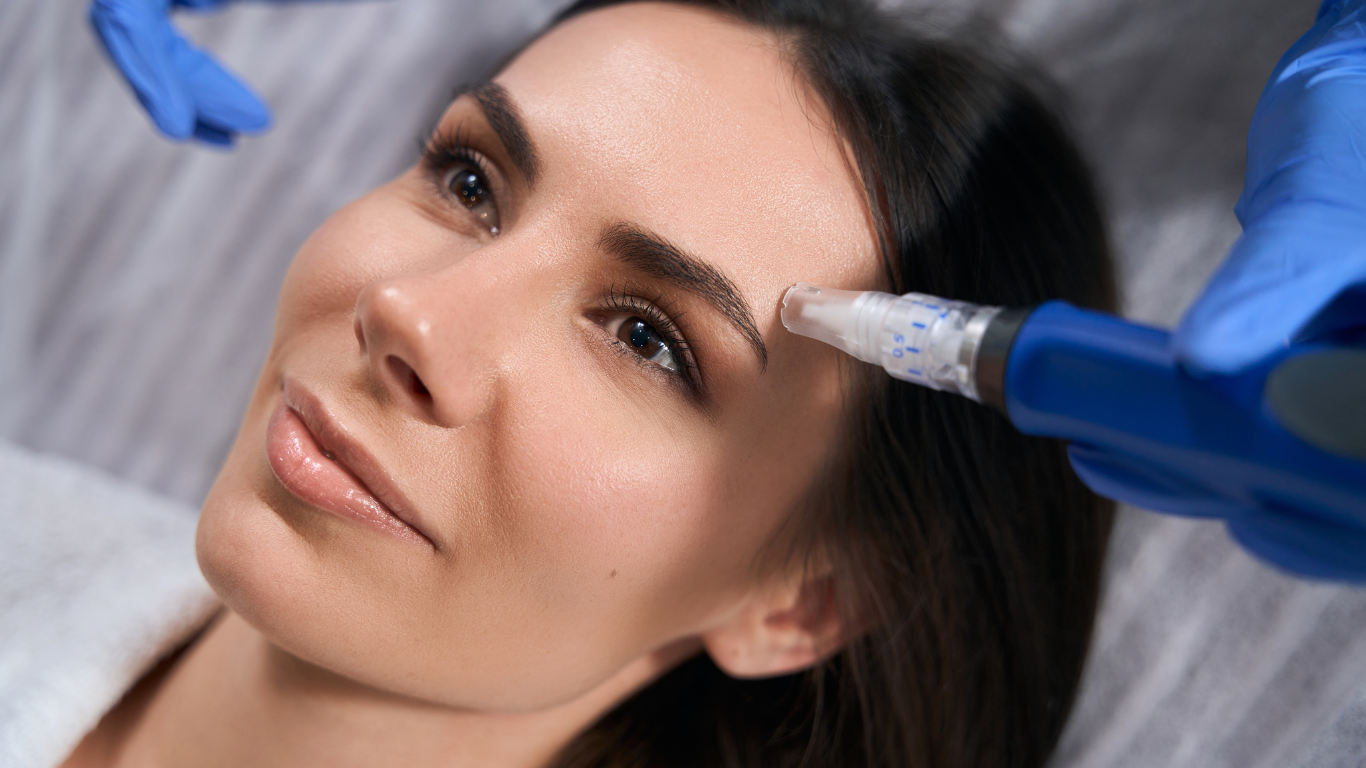
We typically advise between two and four initial treatments with five-week intervals between each appointment. This method boosts collagen production and encourages steady collagen renewal. Following these treatments, we recommend one or two yearly maintenance sessions to sustain your results. Combined with microneedling or PRF, eye rejuvenation maximizes your results for enhanced skin renewal.


How Can a Med Spa Personalize Your Under-Eye Treatment?


For years, our clients have trusted us to provide high-grade treatments for the face and body. Our goal is to highlight your natural beauty through state-of-the-art, innovative procedures available at three convenient locations. We offer free initial consultations to prepare individualized treatments that align with your desired results. Our payment plan makes it even easier to access the treatments to enhance your confidence.


Whether it’s through laser therapy, weight loss shots, or HRT treatment, we offer a comprehensive range of medical and aesthetic solutions to suit your requirements. Contact us today to start your journey with us.

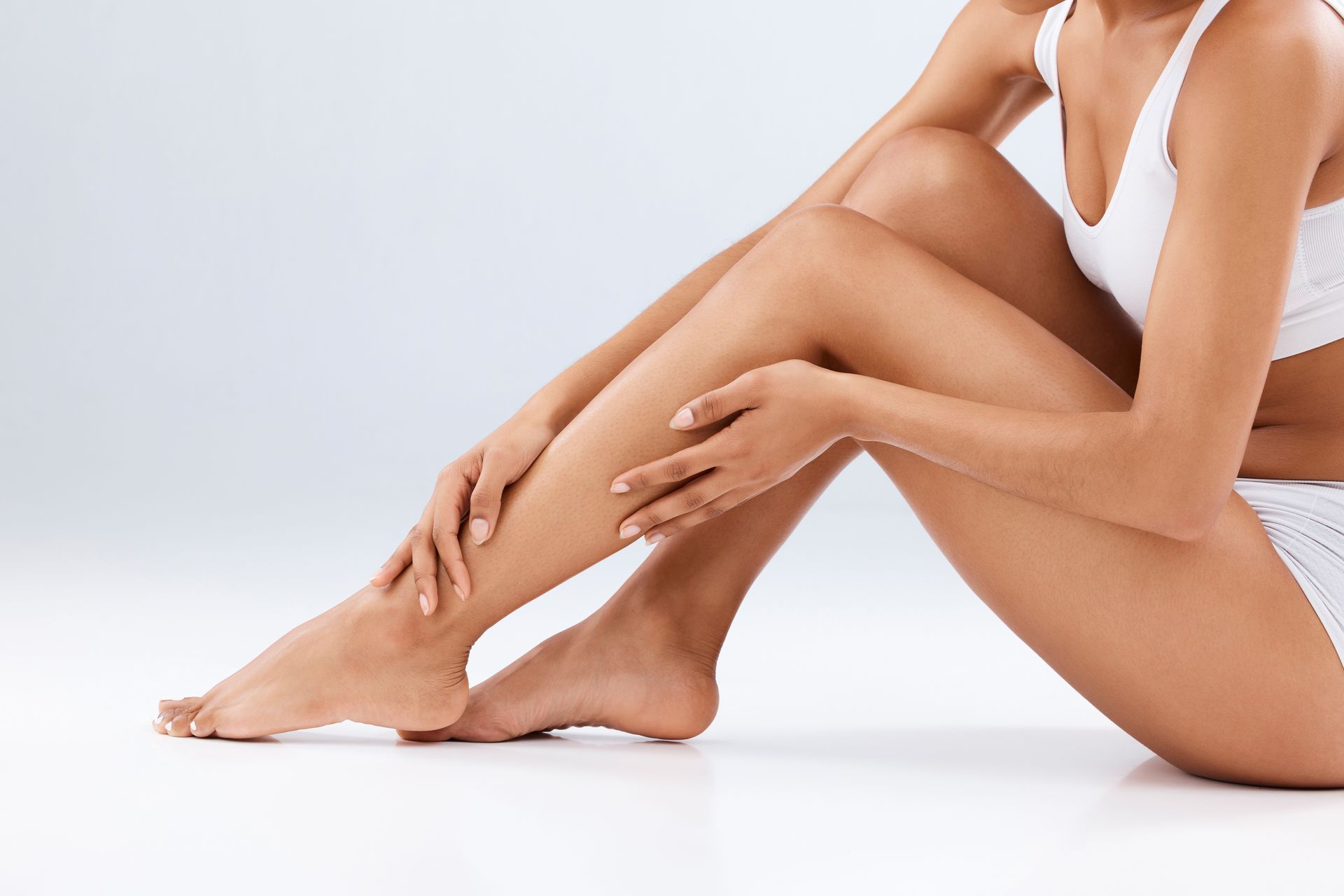
Laser hair removal treatment on a person's leg in a spa clinic
May 22, 2026
These days, hair-free doesn’t have to mean painful waxes or time-consuming shaving rituals. Laser hair removal is the modern-day gold standard for smooth skin and reduced hair growth, thanks to its ability to target hair follicles. Our treatment uses concentrated light to deactivate hair follicles and prevent regrowth. The process is non-invasive, safe, and ideal for individuals seeking smooth skin without the hassle of outdated hair-removal methods. The results are generally permanent, although some patients may require maintenance sessions. Laser hair removal does require commitment. Patients require multiple sessions for it to give the results you want. How many laser hair removal sessions, you ask? Let’s find out below. What Is the Hair Growth Cycle? To understand why you need more than one session, it’s important to know the fundamentals of the hair growth cycle. Hair grows in three phases: The anagen, or growth phase, is when hair actively grows and is the most responsive to laser treatment. There’s a short period when the hair stops growing and detaches from the blood supply, known as the catagen, or transitional, phase. Eventually, the hair falls out. This stage, called the telogen or resting phase, is when hair does not respond to lasers. Laser hair removal can only treat hair in the anagen phase. The average number of laser hair removal treatments patients require ranges from 6 to 8, every 4 to 8 weeks, to align with the follicles in various phases. How Many Laser Sessions Should I Get? A common misconception is that you only need one laser hair removal session to be hair-free. Unfortunately, that is not the case. Only a portion of your hair is in its growth phase at any given time; the rest is either undeveloped or preparing to fall out, making it unattainable by lasers. On average, around 20% of your hair is in the anagen phase during a hair removal appointment. This means you’d need at least 6 sessions to catch all the hair in its most vulnerable phase. Some areas may require additional sessions, depending on hair coarseness and the area to treat. Number of Sessions According to Body Area While some areas respond relatively quickly to laser hair removal, others may require a few more sessions to achieve your desired results. Facial hair on the lip and chin is relatively fine compared to other body areas, and can be influenced by hormones. This area usually requires 6 to 12 sessions for effective results. Thick underarm hair responds well to laser treatment, needing 6 to 8 sessions for ideal results. The bikini line is also quick to treat, but could still require 6 to 10 appointments. Arms and legs cover a considerable amount of space, needing 6 to 10 sessions. In men, the back and chest have dense hair growth and require around 8 to 12 sessions. What Factors Influence Laser Hair Removal? Your hair color and skin tone play major roles in the number of sessions you require and the overall effectiveness of your treatment. Dark hair and light skin are the perfect combination. The laser targets the hair pigment, so this contrast helps the device easily identify and break down the follicle without damaging the surrounding tissue. Light-colored hair contains less melanin, making it difficult for the device to detect. This could mean more sessions to realize your goals. Because dark-toned skin has a high melanin content, it can absorb the laser’s heat, leading to irritation in the area. Darker-skinned individuals may require more sessions or special laser devices to ensure safe and effective treatment. How Much Does Laser Hair Removal Cost? Laser hair removal cost per session can vary depending on several factors, including the size of the treatment area, the number of sittings needed, and your individual hair type and density. Laser hair removal prices by area mean that smaller areas generally cost less than larger treatment areas. Many clients choose package options because they are more cost-effective than booking individual sessions. At The Studio Med Spa, we discuss pricing during your consultation so we can recommend a treatment plan tailored to your goals and hair growth patterns. Our laser hair removal packages of three sessions currently start at $149 for small areas, $279 for medium areas, and $419 for large areas. Members may also qualify for additional savings on treatments and packages. Does The Studio Med Spa Offer Laser Hair Removal? The Studio Med Spa offers safe and effective hair removal in San Marcos, Encinitas, and Rancho Penasquitos. Our team takes the time to understand your skin and hair type, and your treatment goals, so that we can recommend a personalized plan designed for long-term results. If you have questions about our laser hair removal cost and sessions, we’re here to guide you through the process and help you feel comfortable and informed from your very first appointment. Don’t hesitate to contact us if you have any questions or want to book a first consultation.
Laser hair removal treatment on a patient's leg in a spa clinic
May 20, 2026
IPL therapy, or intense pulsed light treatment, is a non-invasive aesthetic technique that targets and improves various skin conditions. This advanced treatment uses light at a specific frequency to target skin imperfections, resulting in a clear, radiant complexion. IPL uses pulses of broad‑spectrum light to gently heat the skin and target unwanted pigment just below the surface. As this pigment absorbs light, it breaks into tiny particles that your body gradually clears away, softening sun damage, age spots, redness, and other discoloration over time. Because IPL emits multiple wavelengths rather than a single laser beam, it can treat several pigment‑related skin concerns in one versatile treatment. What Does IPL Treat? IPL therapy is a multipurpose treatment that can improve a wide range of common skin concerns, helping the skin appear clearer, brighter, and more even over time. As treatment can target several concerns at once, many patients choose IPL to refresh their overall complexion without surgery or extensive downtime. Hyperpigmentation Dark marks and freckles caused by sun exposure are common reasons patients choose IPL treatment with us. This treatment targets the melanin beneath the skin and breaks down the pigments that form the clusters of discoloration. Over the course of your IPL sessions, you’ll notice reduced visibility of these marks and more even skin tone, making it among the most effective hyperpigmentation procedures available. Improved Skin Texture Enlarged pores and fine lines can inhibit your skin’s natural glow. IPL therapy stimulates collagen production to keep your skin smooth, supple, and plump. You’ll benefit from improved texture and natural radiance. Reduced Redness and Rosacea Damaged capillaries and veins, or conditions like rosacea, can be difficult to treat with topical skincare products alone. IPT therapy gently shrinks blood vessels beneath your skin’s surface to reduce redness and encourage a more balanced skin tone. Minimizes Scarring IPL’s wavelengths penetrate deeper layers of the skin to eliminate acne-causing bacteria, reducing redness and inflammation. It may also reduce the severity of scars by promoting healing from within, offering a double benefit for individuals battling breakouts. Fights Signs of Aging IPL therapy can help soften some of the most common visible signs of aging while also encouraging collagen production within the skin. Over time, this can leave the skin looking more refreshed, with gradual improvements after each treatment session. What Is An IPL Photofacial Treatment? Unlike laser treatment, which uses a single wavelength, IPL emits multiple wavelengths that penetrate the skin to target melanin and hemoglobin. An IPL photofacial is a non-invasive treatment to improve the color and texture of the skin. This treatment aims to reverse the effects of various skin conditions, often caused by sun damage—known as photoaging. An IPL photofacial benefits areas including the face, neck, chest, and hands. The multi-wavelength emissions target pigment and vascular flaws, without harming the surrounding tissue, making it a safe and effective procedure. What Can I Expect During My IPL Appointment? If you’re new to IPL treatment, knowing what to expect before your appointment can help you prepare and ease your concerns. Before your session, we clean your skin with an antibacterial solution. Depending on your pain tolerance, we may apply a cooling gel to minimize possible discomfort. You’ll wear protective eyewear throughout the procedure to shield your eyes from the light pulses. The IPL device releases bursts of light, which patients often describe as a mild snapping-like sensation on the skin. While not completely painless, most patients find the treatment tolerable. Expect slight redness or swelling after your session, which usually subsides within an hour or two. Avoid any UV exposure, and wear sunscreen generously while your skin heals. Frequently Asked Questions How long does IPL therapy last? Noticeable skin improvements typically last between 6 months and 1 year. Doing more treatments every few months can help prolong and maximize your results. How long does one IPL session take? The exact time depends on the area being treated. It can take between an hour and an hour-and-a-half, including the pre-treatment topical numbing application. When will I see results from my IPL treatment? Patients usually begin to see their results 7 days after the treatment, with the final results visible after 2 weeks. As IPL stimulates new collagen production, results will continue to improve for up to 6 months after your initial appointment. Who is not a candidate for intense pulsed light therapy? We don’t recommend IPL for patients currently taking Accutane or those who are pregnant or breastfeeding. Is IPL Therapy Right for Your Skin Goals? If you’re considering IPL for pigmentation and redness, the best place to start is with a professional skin assessment. At The Studio Med Spa, our team takes the time to evaluate your skin concerns, understand your goals, and recommend a treatment plan tailored to you. Whether you’re looking to brighten sun-damaged skin, reduce visible redness, or refresh your complexion, we’re here to help you feel confident in your skin again.
Woman receiving a blue-light facial treatment with a handheld device on her cheek
May 18, 2026
Core Insights: RF skin tightening uses radiofrequency heat to stimulate the production of new collagen and elastin, improving firmness and skin quality from the inside with minimal downtime. It can target most body areas, especially the face, neck, jawline, and décolletage, to address early to moderate sagging, fine lines, and loss of elasticity. Results are real but gradual: most patients see their best improvement after several sessions, with collagen changes peaking around six weeks and continuing over time. The treatment is non-surgical, generally comfortable (a warm, relaxing sensation). It allows you to return to normal activities right away, though mild redness is common. RF can be combined with other treatments such as laser, microneedling, and medical-grade skincare for a layered approach that enhances and prolongs tightening results. RF Skin tightening is a non-surgical cosmetic procedure that uses electromagnetic energy to deliver heat beneath the skin, stimulating collagen production. Non-invasive skin-tightening treatments are in, yet many of our patients wonder whether they’re just a trend or actually work. The truth is, RF laser skin tightening can deliver noticeable results when performed under clinical supervision and customized to your unique requirements. At The Studio Med Spa, we guide patients seeking skin treatment options through tailored plans. Our treatments focus on long-term skin health and improving firmness from the inside.
Show More