The Dos and Don'ts of Dermal Fillers: Expert Tips for Best Results
It is no secret that dermal fillers have steadily gained popularity when it comes to rejuvenating the skin and leaving a youthful appearance with long-lasting results! With more than 2.6 million dermal filler procedures done in the USA in 2020, this aesthetic treatment is not slowing down anytime soon. There are certain dermal filler dos and don’ts that can make a difference when it comes to achieving the most beneficial results. Let’s dive into what to do and what to avoid! The Studio Med Spa offers dermal fillers and other aesthetic treatments for a variety of skin concerns.


What Are Dermal Fillers? 

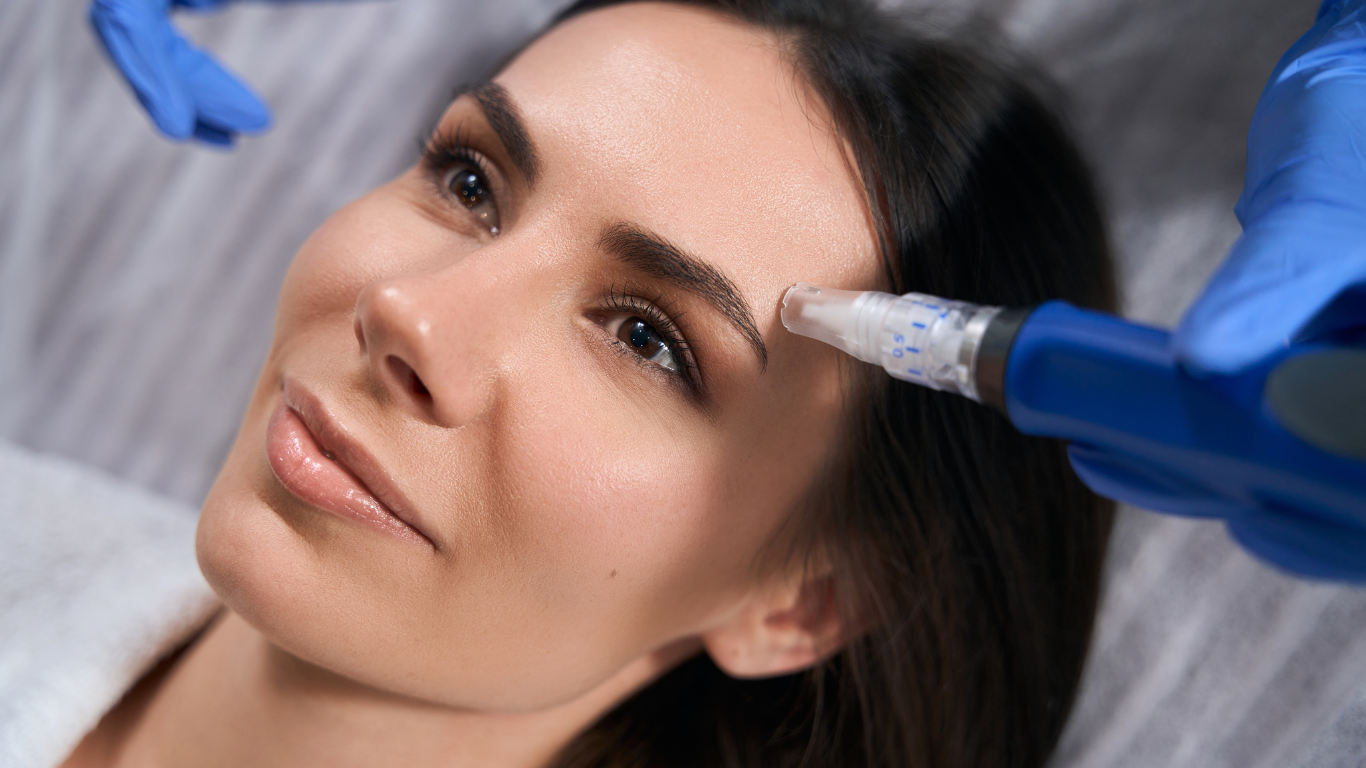
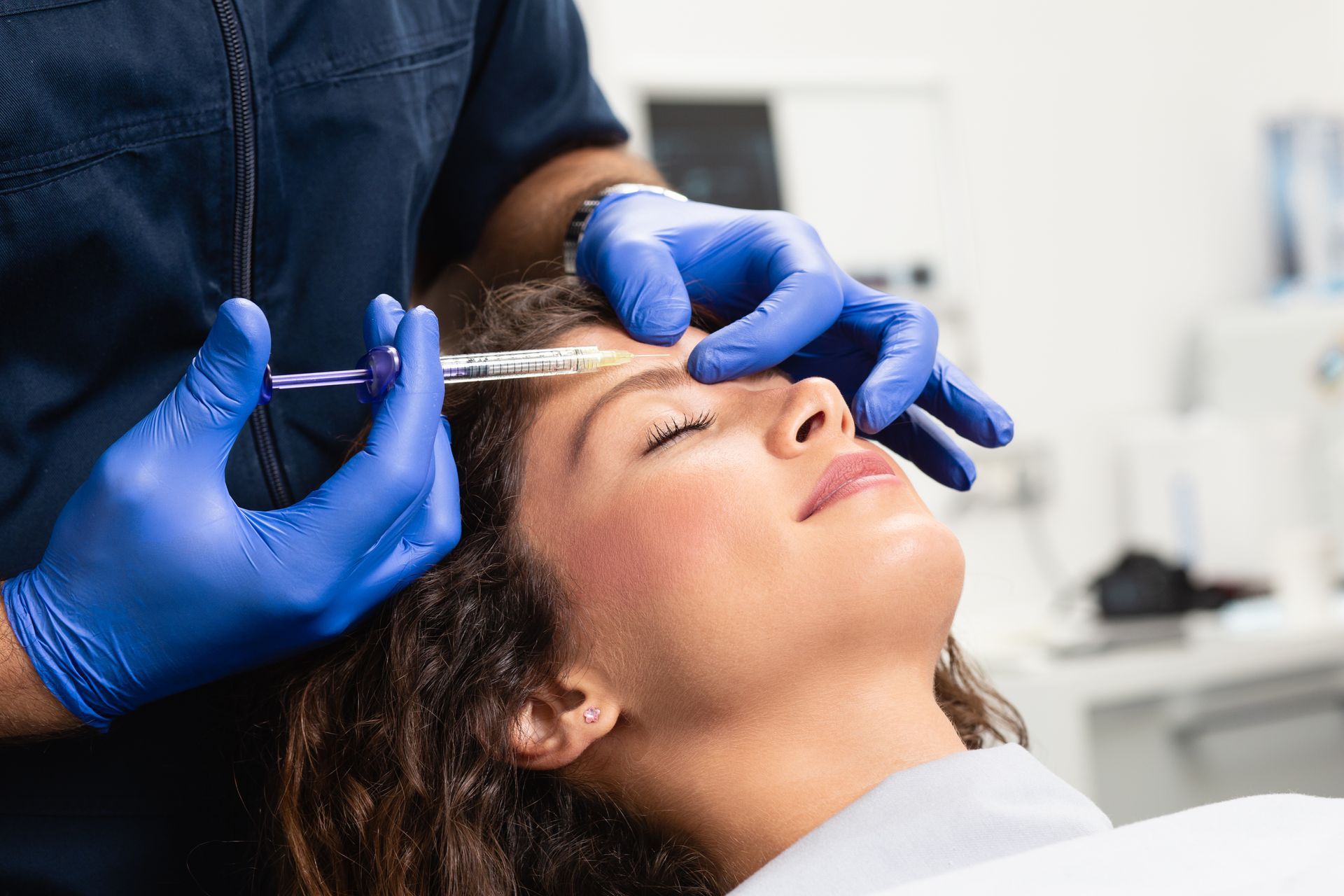
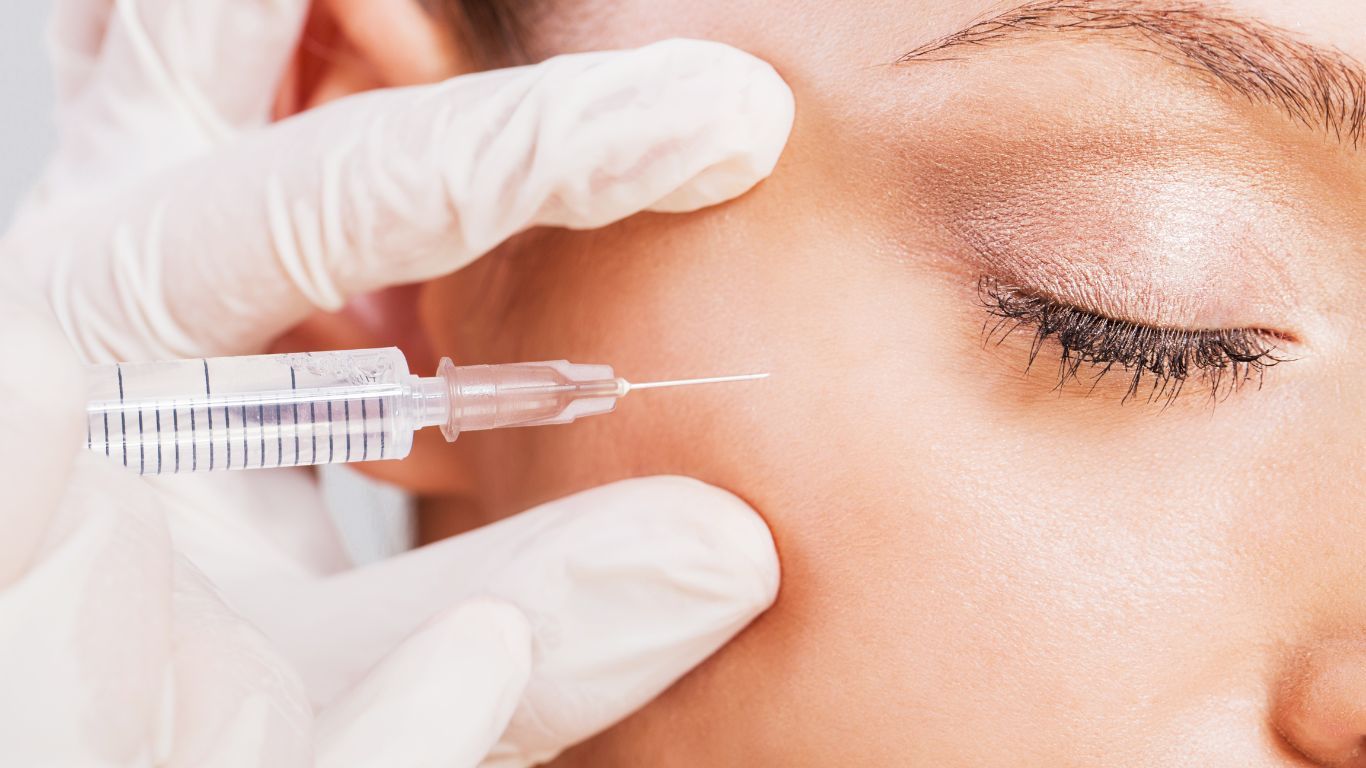
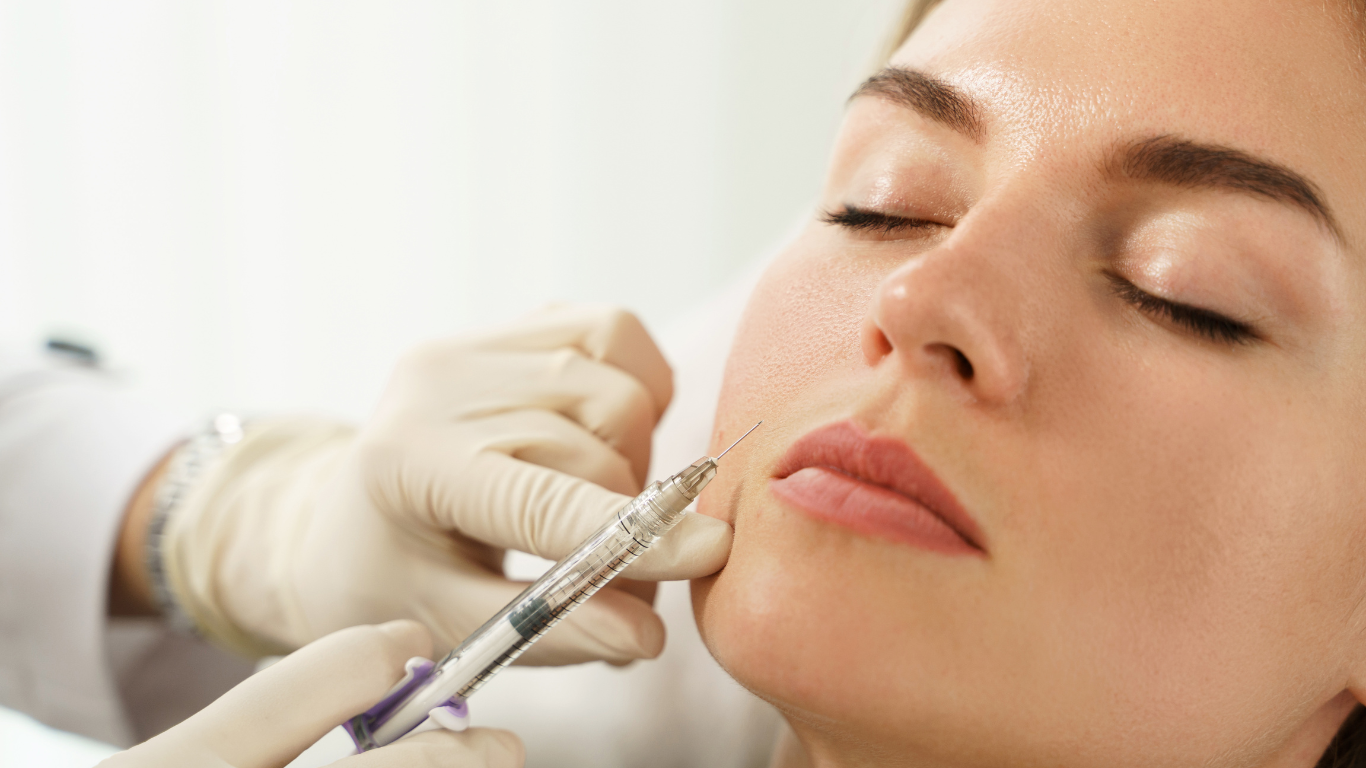
Dermal fillers address creases, volume loss, and the appearance of fine lines and wrinkles on the face. The actual treatment consists of fillers being injected into the face to restore volume, fill in lines and folds, and also enhance facial contours. When it comes to what these dermal fillers are made off, the type of material can ultimately depend on the needs being addressed for the patient. Some additional benefits of dermal fillers (which can ultimately vary due to the ingredients) can also include providing the skin with additional nutrients, boost collagen production, and enhance the texture of the area being treated. 


Are Dermal Fillers Right For Me? 

You may ask yourself, are dermal fillers the right choice for me? While dermal fillers can address a number of issues and concerns, here are a few of the most common:


  • Acne scars
  • Aging hands
  • Frown lines 
  • Nasolabial folds 
  • Midface hollowing
  • Crows’ feet 
  • Lip augmentation 
  • Cheek and lip augmentation


If you suffer from any of the above, you may want to look into dermal fillers and how they can help. At The Studio Med Spa, our dedicated providers are always ready to answer questions and further concerns. We always want to ensure our patients are left completely at ease and comfortable with the aesthetic treatments they choose! If you are looking to give skin a supple enhancement, dermal fillers may be the best choice!


What Are Dermal Filler Dos and Don’ts? 

So you’ve taken the plunge and are going to get dermal fillers. This minimally invasive treatment requires no downtime, and the results can last up to around 12 months. There are a few tips that work to provide the best results for dermal fillers, and also some things you should avoid! Dermal fillers dos and don’ts include: 


Do: Stay Hydrated 

After a dermal filler appointment, it is crucial you stay hydrated. This means drinking a lot of water over other types of drinks. Staying well-hydrated can help the skin heal, and can also help achieve the best results if you are using certain types of dermal fillers. For example, Hyaluronic acid-based fillers absorb water to provide volume, so you will want to make sure to drink up as much water to give the fillers a little boost.


Don’t: Drink Alcohol 

After a filler appointment is complete, you will want to avoid alcoholic beverages for the next 24 hours at least. This is because studies have shown alcohol can thin the blood, which after a dermal appointment may result in additional bleeding or bruising. In the same vein, you will also want to avoid over-the-counter medications, as these can also cause blood to thin. Avoiding these things can help keep your skin happy and clear!


Do: Follow Pre-Procedure Instructions

Pre-procedure instructions will always be provided by the clinic you are getting dermal fillers done at in order to avoid complications. Some of these pre-procedure instructions may include avoiding supplements, not drinking alcoholic beverages, not shaving or waxing before an appointment, and also stopping the use of exfoliants and other anti-aging products right before the procedure takes place. It is crucial you follow these pre-procedure instructions! Following the steps provided by a trusted clinic can make a world of difference when it comes to filler results. 


Don’t: Avoid Aftercare Instructions 

After you’ve gotten your dermal fillers, you do not want to ignore aftercare instructions. These instructions can include avoiding excessive exercise, sunlight exposure, and some skincare products. Not following aftercare instructions can lead to consequences with fillers, such as negatively affecting the longevity of the results and even causing some side effects. If you are curious to learn more about aftercare instructions, don’t hesitate to ask your provider. At The Studio Med Spa, we walk our patients through pre-procedure instructions and aftercare tips to make sure they can enjoy dermal filler results without side effects!


Do: Practice Sun Protection 

Though you should be doing this anyhow, you will want to pay attention to sun protection before and after a dermal filler appointment. So load up on those SPF products and keep your skin protected. This can be especially crucial after the dermal filler procedure is complete, as sun exposure can cause dermal filler degradation. A common pre-procedure instruction is also to stay protected from the sun, so slather on the sunscreen and stay out of the sun for some time to maximize filler results!


Don’t: Seek High Temperatures

You should avoid the sun and UV rays before and after dermal filler procedures. However, not many patients are aware that they should also avoid high temperatures. So you’ll want to keep away from hot and humid spaces, such as a sauna or hot tub, after your dermal fillers. This is because heat can also make the filler break down quicker, affecting the intended results. 


Give The Studio Med Spa a Visit!

Are you curious about dermal fillers? Looking to consult with an experienced clinic about dermal filler options for you? Give The Studio Med Spa a visit! We are always happy to help returning and new patients look and feel their very best with a variety of aesthetic treatments!


January 26, 2026
Healthy, glowing skin often reflects confidence, but daily stress, sun exposure, and aging can change how skin looks and feels. Our patients seek gentle, practical solutions that improve texture, tone, and clarity without lengthy downtime. This blog explores common concerns and explains how modern treatments deliver real, visible results. You will learn why our patients value laser skin rejuvenation benefits for smoother skin and a refreshed appearance. Whether early aging or stubborn imperfections concern you, understanding your options helps us tailor laser therapy to suit your needs. 1. Acne Scars Acne scarring often occurs after breakouts, typically affecting men and women between the ages of 12 and 35. Acne begins as lesions on the skin that become inflamed. These blemishes could be caused by hormonal imbalance and, in most cases, affect the face. Many of our patients experience different types of acne with varying degrees of severity due to genetic and immunological factors. Laser treatment for acne scars resurfaces the damaged layers of facial skin. The treatment stimulates new skin growth and reduces scar penetration and discoloration. After a few sessions, the scar will lighten and the skin will even out. Our patients typically notice a difference after three or four appointments, especially when paired with a healthy skincare routine. 2. Visible Blood Vessels and Redness Damaged capillaries or dilated vessels beneath the skin may lead to persistent redness. Facial erythema is a common condition, especially in people with fair skin. Facial erythema is frequently a symptom of bacterial infections or lupus, and we often treat the cause before the cosmetic issues. Laser treatment uses targeted light wavelengths that are absorbed by blood, safely shrinking broken blood vessels. This results in reduced signs of rosacea. Treatment reduces inflammation in veins without the need for chronic medication. Our therapy relieves redness and improves an even complexion with minimal downtime. 3. Rosacea Management Redness and sensitivity commonly affect the cheeks and nose areas. While there is no specific cure, you can learn how to manage your symptoms. Facial laser treatment can diminish problematic blood vessels, stimulate collagen production, and strengthen your skin to counter future flare-ups. Many patients require regular sessions to calm rosacea and reduce its visibility. 4. Laser Treatment for Sun Damage Repair Sun exposure often leads to pigmentation, which results in dark marks and wrinkles. We offer numerous laser techniques to treat sun-damaged skin, depending on the area and skin type. By targeting affected areas, we encourage new skin formation, reduce age spots, and even out your complexion for a more youthful appearance. In addition to laser treatment for uneven skin tone, we encourage consistent use of sun protection post-treatment to enhance results. 5. Collagen Stimulation from Age-Related Concerns Collagen production naturally slows with age, often leading to sagging skin and fine lines. Laser treatment for wrinkles and fine lines triggers collagen renewal, slowing down your skin’s aging process. Our non-invasive therapy gently lifts the skin, improving texture and increasing elasticity. Over a few treatments, your skin regains a plumper appearance, which is a desirable look in modern beauty standards. 6. Pigmentation Correction Hyperpigmentation from UV damage or genetic conditions often dulls your complexion. Treatment targets melanin buildup to lighten dark spots and achieve a more uniform appearance. Our patients enjoy clearer skin and a more even tone from multiple sessions of laser facial rejuvenation. 7. Pore Size Reduction Enlarged pores often stem from uneven skin texture. Several factors could cause your pores to expand, including aging, genetic predisposition, or prolonged UV exposure. Targeted laser treatment for texture improvement can reduce the size of your pores and control their sebum levels. Tightening pore walls through collagen stimulation can result in smoother skin that resists excessive oil buildup. Refined pores can improve your skin’s appearance by creating a softer surface. 8. Spider Veins Small blood vessels near the skin’s surface can cause unpleasant redness, typically on the cheeks. Laser skin resurfacing breaks down damaged vessels so your body can naturally absorb them. Common positive results include reduced redness and clearer skin. 9. Scar Improvement Acne scars aren’t the only blemishes our clients struggle with. Surgical scarring also responds well to laser treatment. Over time, scars flatten and become less apparent. Not only can we achieve enhanced texture, but we can also improve skin uniformity. Using fractional technology ensures a non-invasive treatment that can reduce and even eradicate scars. We’re Your Next Step Towards Healthier Skin Choosing the proper treatment starts with understanding your skin and trusting the guidance you receive. Our team evaluates your needs and creates a plan that supports long-term skin health. We help you feel confident and informed every step of the process. Whatever your skin concerns, laser treatment improves texture, tone, and clarity. If you want smoother, brighter skin with expert care, we’re ready to guide you towards your goals. Contact us for a professional and tailored consultation where we put your needs first.
January 26, 2026
Peptides are powerful, naturally occurring ingredients that help revive your skin. Incorporating peptide treatments into your skincare appointments can help you achieve a youthful, healthy glow. Peptides are powerhouse ingredients in skincare, a natural approach to anti-aging, repair, and hydration for suppler, firmer skin. The Top 4 Benefits of Peptides for Skin Rejuvenation Peptides continue to grow in popularity thanks to their powerful skin protection properties. We’ve highlighted the top 4 benefits of peptides for skin health. Collagen stimulation - peptides for collagen stimulation, also known as signal peptides, notify skin cells to increase collagen production. This critical protein provides skin with elasticity and firmness, which are essential for smooth, plump skin. Enhancing the skin barrier – your skin is the first line of defense against the sun, environmental factors, and a lack of hydration. Peptides can reinforce this protective barrier by gathering vital minerals that enhance barrier function, aiding in hydrated, resilient skin. Anti-inflammatory – inflammation can accelerate aging and contribute to numerous skin problems, including acne and rosacea. Some types of peptides can reduce inflammation by restricting the creation of pro-inflammatory molecules. Wound healing – peptides can promote healing and skin regeneration. Copper peptides enhance collagen production, accelerating tissue repair and reducing the recovery period. By boosting skin cell turnover, skin can heal more quickly and may even reduce scarring. Peptides in Anti-Aging Treatments: The Top 4 Benefits The age-defying properties of peptides have numerous benefits in skincare, which explains why they’re so popular. Peptides for fine lines and wrinkles – neurotransmitter inhibitor peptides are key to reducing wrinkles in the skin. Since these peptides block the indicators of muscle movement, your facial muscles relax more. This can lead to smoother skin and fewer fine lines. Improving firmness – signal peptides for skin elasticity help achieve firmer, suppler skin. They support collagen and elastin production by increasing the levels of growth factors that decline with age. The result is plumper, more youthful-looking skin. Brighter skin – Carrier peptides can improve skin radiance by delivering essential trace minerals that are imperative for healthy skin function. Specific peptides can protect against oxidative stress and UV damage, promoting a brighter skin tone. Combating dryness – peptides help the skin stay moist and soft by boosting its water-holding capacity. They help build and support collagen, elastin, and natural water‑holding substances in the skin, which keep it firm and bouncy. Peptides also help the skin retain moisture longer, so it feels hydrated instead of dry. Why Peptides Outperform Mainstream Anti-Aging Methods Peptides transform anti-aging skincare by communicating directly with skin cells to support renewal, strength, and resilience. They work intelligently with natural skin processes, which explains the growing focus on peptide skincare benefits. This approach delivers visible improvements while supporting long-term skin health and confidence. They deliver impressive results while remaining gentle, making them suitable for sensitive, dry, or weakened skin types. They align with the skin’s natural biology, encouraging cellular communication without aggressive exfoliation or irritation. They remain safe for continued use, supporting ongoing regeneration and forming a reliable base for long-term rejuvenation routines. Who Is a Good Candidate for Peptides for Wrinkle Reduction? Peptide skincare suits anyone noticing early or advanced signs of aging, including fine lines, sagging, or dull skin. It also benefits those with sensitive or irritated skin who want a gentle anti-aging solution. People who want to boost collagen and skin firmness, as well as those focused on preventive skincare, can experience visible benefits. Peptides for skin firming support overall structure, hydration, and repair, making them versatile across multiple concerns. Most skin types, including sensitive skin, tolerate peptides well when used correctly. However, pregnant or breastfeeding individuals and those with certain conditions like eczema or psoriasis should consult with us before starting any peptide-based treatments. Small Molecules Create Big Skin Changes Small molecules often drive the most potent skin transformations, and peptides prove this every day in advanced skincare. They communicate with skin cells to support collagen production, elasticity, and cellular repair. This targeted approach helps skin look firmer, smoother, and more resilient over time. Unlike aggressive treatments, peptides respect skin balance while still delivering visible rejuvenation. Anti-aging peptides also support long-term skin health, not just short-term cosmetic improvement. With consistent use, skin gains strength, clarity, and a healthier glow. These benefits make peptides a smart choice for anyone seeking sustainable anti-aging results. If you want personalized guidance and professional-grade treatments, book a consultation with us and let’s start your skin rejuvenation journey together today.
January 12, 2026
The field of peptides in aesthetic medicine is evolving. Still, we do know that they’re a valuable tool for numerous cosmetic treatments. Peptides are molecules made up of proteins that send positive signals to your body. They’re an essential building block of cells, instrumental in various biological functions. There are four main types of medical-grade peptides, classified by their specific functions. 1. Signal Peptides Signal or bioactive peptides direct proteins to their proper place within the cell. These cosmetic peptides are typically used in skin repair, healing, and regeneration. They trigger the production of collagen and elastin, support healthier skin, and accelerate repair. 2. Carrier Peptides Carrier peptides are amino acids that help deliver other molecules into your skin cells. On their own, they might not do much, but their job is to carry essential ingredients deep into the skin where they can do powerful work. In aesthetic medicine and skincare, carrier peptides are often used to firm the skin, accelerate healing after procedures, and improve overall skin health. 3. Enzyme-Inhibitor Peptides Your skin naturally contains enzymes that break down proteins like collagen and elastin, which help keep your skin firm and smooth. Over time, or due to sun damage, these enzymes can work too hard, leading to wrinkles and sagging. Enzyme-inhibitor peptides slow down or block these enzymes, helping to protect the structure of your skin and keep it looking younger for longer. While carrier peptides deliver helpful ingredients, enzyme-inhibitor peptides are the brakes that stop your skin from aging too fast. 4. Neurotransmitter Peptides Your facial muscles receive signals from nerves that tell them to contract, ultimately causing expression lines and wrinkles over time. Neurotransmitter peptides interfere with these motions, so the muscles don’t contract as much. The result is smoother skin and fewer wrinkles, similar to what Botox does, but in a more natural way. These peptides for anti-aging tell your facial muscles to relax, helping prevent the formation of wrinkles. How are Growth Factor Peptides Used in Aesthetic Treatments? Peptides help revitalize your skin at a cellular level, making it healthier and firmer while providing hydration. They possess the capacity to target a specific action, where each type has its own function. Thanks to their small size, they have an unmatched capability to penetrate the skin. We deliver peptides in several ways to give your skin exactly what it needs. Creams, masks, and serums provide daily nourishment and support, keeping your skin healthy and glowing. Our microneedling treatments help peptides reach deeper layers, boosting collagen and repairing from within. For more targeted effects, precise injections stimulate collagen, relax muscles, and encourage natural healing. Each treatment works with your skin, helping it feel firmer, look smoother, and remain radiant. The Difference Between Injectable and Topical Peptides for Skin Repair Topical peptides, found in serums and creams, nourish the skin’s surface. They gently signal your cells to increase collagen, enhance elasticity, create healthy skin barriers, and reduce inflammation. Over time, this helps your skin look smoother, firmer, and calmer, making it safe and ideal for at-home use. Injectable peptides are delivered underneath the skin and into deeper tissues for more targeted clinical effects. These treatments can support faster healing, tissue regeneration, muscle recovery, youth-enhancing results, and metabolic benefits. Injectable peptides work from within, while topical peptides support your skin from the outside. We often combine topical and injectable peptides for truly comprehensive results. Combining the two allows us to personalize your treatment, giving both visible surface results and deeper, long-lasting benefits. Whether you’re focused on prevention or advanced results, peptide therapy aesthetics can be tailored to meet your skin and body’s unique needs. When Will I See Results From My Peptide Treatment? The time it takes to notice changes from treatment depends on the method and the types of peptides used for skin rejuvenation. Topical peptides generally yield initial improvements in terms of hydration and smoothness, and some patients notice a plumping effect after the first few weeks. After roughly three months of regular treatments, the elasticity and firmness of your skin improve while softening fine lines. Your skin will continue to improve in texture and condition as we advance. Patients typically start seeing results from injectable peptides after three days of treatment. Early results include better sleep, increased energy, and improved skin quality. Book Your Consultation Today Peptides have earned their place in new-age health and skin care, as they communicate with the body at a cellular level, helping our skin function more efficiently. Peptides for collagen production form part of natural regenerative aesthetics treatment , enabling individuals to age gracefully without harsh procedures and recovery time. Our team brings years of aesthetic experience and understanding to every appointment, integrating treatments to suit your body’s unique needs. We understand that skincare is not a one-size-fits-all procedure, and we tailor our approach to deliver youthful results. For more information on aesthetic peptide treatment, contact us today.
Show More