What’s the Difference Between Weight Loss Injections vs. Prescription Diet Pills?

With increasing emphasis on health and well-being, many people prioritize keeping their bodies in shape. However, losing weight is rarely a simple journey. Sometimes, we require medical treatment to support our goals, most commonly in the form of weight loss pills or injections.


While both options can show results, each acts differently in our bodies. Understanding their differences can help you decide on the best-suited option for your lifestyle.


What Happens When You Use Weight Loss Injections?


Initially manufactured to treat diabetes, it was observed that GLP-1 medications support individuals with type 2 diabetes and obesity by lowering blood sugar levels, which also helps decrease appetite and weight loss. Subsequently, researchers conducted tests on GLP-1 agonists (medicines that mimic a natural hormone called GLP-1) to assess their suitability as a weight loss medication.


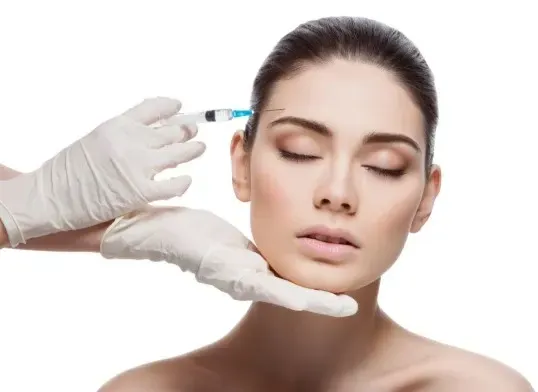
Weight loss injections work by mimicking glucagon-like peptide-1, a natural hormone that regulates appetite and blood sugar in your body. This treatment slows stomach emptying, suppresses appetite, and increases satiety, resulting in reduced calorie intake and ultimately weight loss. Additionally, GLP-1 injections can improve blood sugar control by triggering insulin release while suppressing the release of glucagon.


How Do Weight Loss Pills Work?


There are hundreds of prescription diet pills available on the market, each with its unique way of working and potential side effects. While some act as appetite suppressants, others alter hunger hormones or target specific food addictions.


What Types of Weight Management Pills Are There?


A health care professional can help you understand the advantages and potential risks associated with each option. They’ll recommend a suitable approach based on your lifestyle, medical history, and requirements.


  • Appetite suppressants – these pills work by decreasing hunger cravings and reducing calorie intake. They work well for people who struggle with overeating or snacking between meals.
  • Fat absorption inhibitors – by preventing the absorption of fat in the digestive tract, this weight loss medication lessens the calories absorbed by the body. This treatment is ideal for people who consume a high-fat diet.
  • Metabolism boosters – increasing the body’s metabolic rate enables these pills to burn more calories throughout the day. They’re effective for individuals with a lethargic metabolism.
  • Carb blockers – this treatment inhibits the digestion of carbohydrates, preventing the body from absorbing them as calories. They’re particularly useful to people who consume high amounts of carbohydrates, such as bread, pasta, and potatoes.
  • Thermogenics – these medications increase the body’s core temperature, leading to an increase in calorie burn. They work well for patients looking to boost their metabolism and energy levels.


Weight loss pills often produce side effects such as nausea or an increase in heart rate. Consulting your doctor ensures safe and appropriate weight management treatments prescribed to suit your requirements.


Effectiveness Comparison: Weight Loss Injections vs Pills


Ongoing studies have found weight loss injections more effective than their oral counterparts, showing a higher weight reduction during trials. Injections are powerful as they target hormones that regulate hunger and satiety, which directly address overeating.


For patients unsure about injections, oral pills offer a more approachable delivery method. However, there’s a risk that the digestive system could reduce the medication’s effectiveness by breaking down specific components.


All medical weight loss options work best when used in conjunction with a balanced diet and a regular exercise routine.


Health Benefits Beyond Weight Loss


The uniqueness of weight loss treatments not only helps with weight loss, but they also address other areas of our health. Since GLP-1 treatments were initially developed to manage diabetes, they help regulate blood sugar levels and improve insulin usage.


Carrying excess weight can significantly amplify your risk of heart disease, increasing blood pressure, cholesterol levels, and cardiac strain. GLP-1 medications can lower inflammation, improve fat levels, and curb the possibility of heart failure.


Obesity can often lead to kidney disease, which could result in the need for invasive treatments. Weight loss injections protect the kidneys by reducing the development of infection, especially for people suffering from diabetes. Similarly, the liver is a major organ affected by obesity. If left untreated, it could progress to cirrhosis.


Being overweight puts strain on your joints throughout the body. Losing weight can enhance everyday movements, such as walking, and make a positive difference in coping with daily demands.


Disrupted sleep is closely related to being overweight. This condition prohibits individuals from getting quality sleep. Losing weight can assist with a full night’s rest and can also improve breathing throughout the night.


Recent studies suggest that GLP-1-based medications may reduce the chances of developing Alzheimer’s disease while improving cognitive function. The treatment addresses inflammation that contributes to mental decline.


Choosing the Right Path for Your Weight Loss Journey


A tailored diet medication comparison can help you understand the benefits and differences between weight loss injections and prescription pills. This knowledge enables you to make the choice that feels right for your body and lifestyle.


The Studio Med Spa is here to guide you with safe, effective weight loss injection treatments personalized to your needs. If you’re ready to take the next step toward a healthier lifestyle, book your consultation with us today.


December 22, 2025
Laser treatment is a popular skin rejuvenation treatment, but timing plays a key role in the overall result. This minimally invasive procedure targets a variety of concerns like fine lines, scarring, and uneven skin tone. While you can have professional laser treatment during any season, you can optimise your laser facial timing to maximize results. The months during fall and winter offer ideal weather conditions for effective healing, with minimal UV exposure and milder temperatures. Key Insights About Seasonal Laser Treatment Side effects from laser treatments are typically mild and short-term; however, sun exposure and heat may enhance these reactions. Exposing your skin to the sun before or after your treatment increases the possibility of developing hyperpigmentation, which is usually permanent. Winter is the preferred season for laser resurfacing, too, as the newly exfoliated skin is sensitive to the sun and harsh temperatures. Laser skin treatments build on your skin’s natural sensitivity by temporarily making the treated area more reactive. Prolonged exposure can cause the issues that the treatment is fighting, including freckling and aging. We recommend you protect your skin from the sun for 6 weeks before any laser treatment. Avoid spending time outside, apply sunscreen twice a day, and wear sun-protective clothing. These measures are difficult during the summer season, which makes the cooler months easier to minimize risk. Understanding Laser Treatment and Sun Sensitivity Laser resurfacing removes damaged skin and boosts collagen to enhance texture, tone, and overall appearance. Whether you choose fractional, ablative, or non-ablative treatments, your skin will temporarily become more sensitive to sunlight. This increased photosensitivity happens because laser procedures create controlled micro-injuries that trigger healing and regeneration. During recovery, your skin loses some of its natural defenses and reacts more easily to UV exposure. Proper timing of laser skin treatments and sun protection ensures the best results while keeping your skin safe. How Laser Treatments Affect Skin Sensitivity Immediate post-treatment sensitivity: laser resurfacing temporarily removes or disrupts the skin’s protective outer layer. As new skin forms, the treated area becomes especially vulnerable to sun damage. Extended sensitivity periods: · Ablative lasers - skin can remain sensitive for 3–6 months or longer. · Fractional lasers - increased sensitivity usually lasts 4–8 weeks. · Non-ablative lasers - photosensitivity typically continues for 2–4 weeks. · Multiple treatment sessions - sensitivity can accumulate throughout the entire course. Understanding these timelines helps you plan sun protection and recovery strategies to maintain healthy, radiant results. How Cool Weather Supports Recovery Recovering from laser resurfacing can be more comfortable during fall and winter. Beyond reduced sun exposure, cooler temperatures, lower humidity, and seasonal lifestyle changes also support faster, smoother healing. Temperature and Humidity Advantages Reduced inflammation – cooler air naturally calms swelling and discomfort that often follow laser treatments. It feels soothing on sensitive skin, unlike hot summer conditions, which can increase irritation. Lower humidity prevents complications – less sweat helps prevent irritation and reduces infection risk. Drier air also limits bacterial growth and keeps the skin feeling comfortable. Improved product effectiveness – skincare serums and healing ointments absorb better in controlled humidity, supporting your skin’s recovery. Natural cooling effects – winter air gently cools treated areas, minimizing heat and inflammation after procedures. This natural environment reduces reliance on extra cooling measures and encourages the skin’s own healing process. Choosing the best time for laser treatments in cooler months helps take advantage of these environmental benefits, promoting healthier, more comfortable recovery. Lifestyle Factors Supporting Laser Treatment Success Indoor focus during recovery - fall and winter naturally encourage staying indoors, which suits post-laser care. Limiting outdoor activities reduces sun exposure, allows for proper rest, and gives more time for consistent skincare routines. Protective clothing advantages – layered winter clothing naturally shields treated areas, providing gentle protection while you heal. These simple lifestyle adjustments support your skin’s healing and enhance long-term treatment results. Schedule Your Laser Skin Rejuvenation Treatment at The Studio Med Spa Cooler months represent the perfect opportunity to invest in A-grade quality treatments with us. Understanding the importance of when to get a laser facial helps make sure that your procedure provides maximum benefits with nominal risks. The months you spend nurturing your skin translate into decades of healthy appearance. We aim to help individuals achieve skin transformation through skillfully timed and executed laser facials. Our approach blends advanced technology with curated planning that takes your lifestyle and aesthetic goals into mind. Prepare your skin for the coming year with our laser rejuvenation tips and reap the benefits with The Studio Med Spa.
December 22, 2025
The area surrounding the eyes is the first to show signs of aging due to multiple factors. This delicate skin lacks protective subcutaneous fat and has fewer oil glands, making it prone to dryness and collagen loss. The eye area endures constant muscle movement from blinking and squinting. It is also a prominent area that shows sleep deprivation, wrinkles, puffiness, and sagging skin. Platelet Rich Plasma (PRP) and Platelet-Rich Fibrin (PRF) have become increasingly popular for treating the skin under your eyes as they focus on harnessing your body’s natural healing abilities. These treatments stand out for rejuvenating the skin without the need for invasive surgeries and downtime. By utilizing naturally produced platelets, PRF and PRP under eye treatment therapies enhance natural restoration, leading to visible improvements in your appearance. A Natural Approach to Anti-Aging Therapy PRP and PRF treatments work with the body’s organic healing and regenerative abilities. This approach uses your own platelets to support healthier, refreshed skin. Think of it as encouraging your skin to do what it already knows to do. Platelets play a far bigger role than helping blood clot. They carry powerful growth factors that guide the healing process. These growth factors attract repair cells and support collagen production. Collagen keeps skin firm, smooth, and resilient. As collagen levels decline with age, wrinkles, laxity, and loss of volume become more noticeable. When PRP or PRF enters the skin, it directs the body’s repair response to that area. Platelets release growth factors that encourage cell renewal and tissue repair. They also stimulate fresh collagen formation. This process improves skin quality from within, leading to smoother texture, better tone, and a naturally refreshed appearance through natural under-eye treatments. PRP and PRF as Under-Eye Treatments PRF has gained considerable interest for under-eye concerns due to its advanced regenerative benefits. Compared to PRP, PRF delivers a higher platelet concentration within a supportive fibrin structure. This structure releases growth factors gradually, allowing results to develop over time. The fibrin framework supports new cell growth while strengthening collagen and elastin layers. Skin under the eyes appears smoother, fuller, and more flexible. During a PRF treatment, we collect and process a small blood sample to yield a concentrate platelet-rich fibrin. We then place precise injections beneath the eyes to improve skin texture and elasticity. This approach helps address tear troughs, fine lines, hollowness, and discoloration. Many clients explore dark circles treatment through PRP and PRF for under-eye hollows to achieve a brighter, well-rested look. You may experience mild swelling, redness, or bruising after treatment, which usually fades within a few days. Expect visible results within weeks that typically last six to twelve months. Many patients choose a series of three to five sessions for optimal improvement, depending on goals and individual needs. What Are the Key Differences Between PRP and PRF as Under-Eye Treatments? PRP and PRF both harness your body’s own platelets to refresh and restore delicate under-eye skin, but their method differs slightly. PRP contains a high concentration of platelets in plasma, delivering a quick burst of growth factors to stimulate collagen and improve skin texture. PRF, on the other hand, includes a fibrin matrix that allows platelets to release healing proteins gradually over time. This prolonged activity supports deeper tissue repair, encourages new cell growth, and enhances skin elasticity. Understanding the PRP vs PRF under - eye processes helps you choose the proper treatment for your goals. Both options brighten, smooth, and naturally rejuvenate tired-looking eyes, leaving the area refreshed and youthful. How Often Should I Get PRP Treatments? We typically advise between two and four initial treatments with five-week intervals between each appointment. This method boosts collagen production and encourages steady collagen renewal. Following these treatments, we recommend one or two yearly maintenance sessions to sustain your results. Combined with microneedling or PRF, eye rejuvenation maximizes your results for enhanced skin renewal. Trust Studio Med Spa for Professional Facial Therapies For years, our clients have trusted us to provide high-grade treatments for the face and body. Our goal is to highlight your natural beauty through state-of-the-art, innovative procedures available at three convenient locations. We offer free initial consultations to prepare individualized treatments that align with your desired results. Our payment plan makes it even easier to access the treatments to enhance your confidence. Whether it’s through laser therapy, weight loss shots, or HRT treatment, we offer a comprehensive range of medical and aesthetic solutions to suit your requirements. Contact us today to start your journey with us.
December 22, 2025
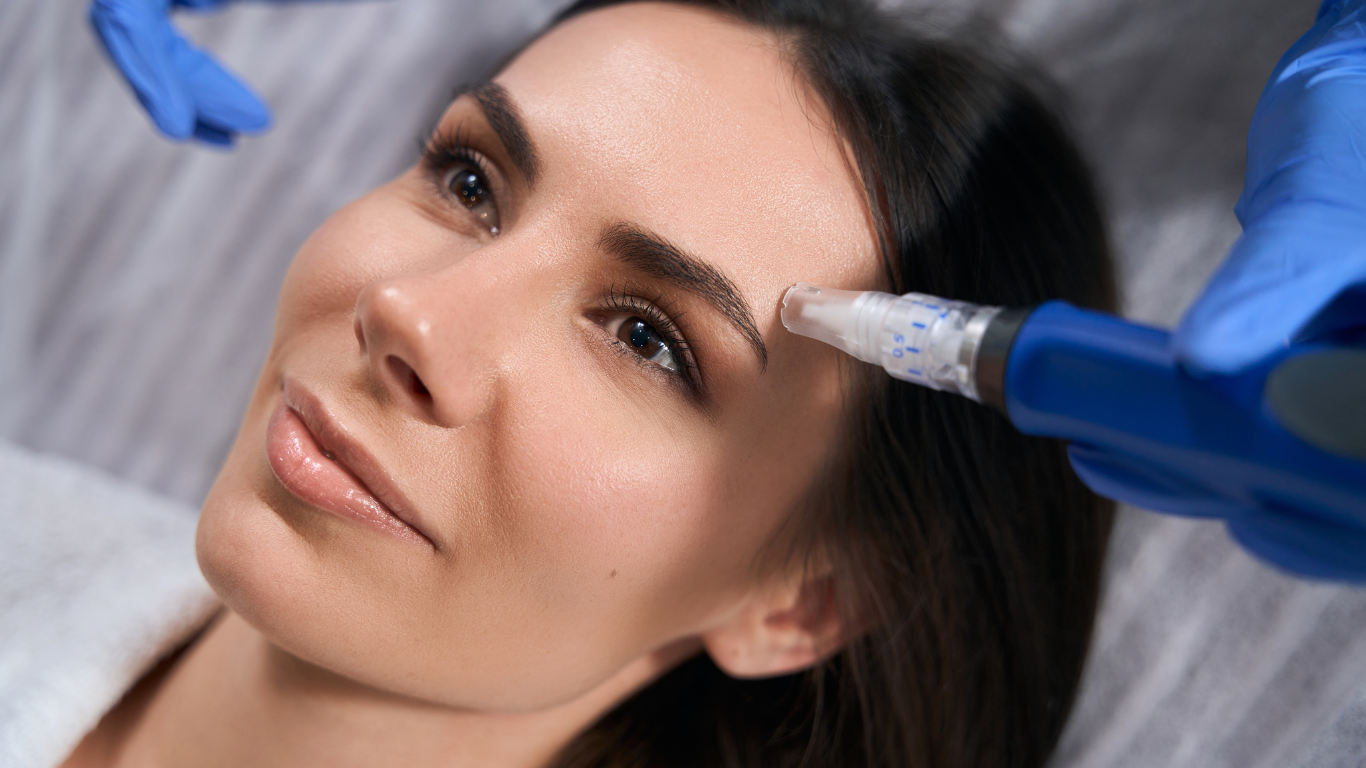
When it comes to skin rejuvenation, there are numerous products and treatments offering hydration, fine line reduction, and collagen stimulation. While products may improve skin’s superficial tone and texture, advanced treatments harness regenerative power from within to combat the effects of aging and unhealthy lifestyle factors. Microneedling, platelet-rich plasma PRP, and PRF platelet-rich fibrin facial therapies, used as individual or combination treatments, offer natural skin renewal, each providing unique and targeted benefits. What Is Microneedling? Percutaneous collagen induction therapy, more commonly known as microneedling, is a treatment involving a device that creates tiny punctures to the skin. Micro-needles create minute injuries that trigger a process known as dermal remodeling. This process causes the body to increase collagen and elastin production while releasing new cells to regenerate tissue. Fine lines, enlarged pores, and acne scars benefit from this treatment. What Is PRP? A Platelet-Rich Plasma (PRP) facial, commonly known as the “vampire facial”, uses a concentration of the patient’s own platelets, derived from their blood. The process involves drawing blood, processing it to isolate the platelets, and injecting them into a targeted area. PRP is commonly used for orthopedic injuries like torn ligaments, tendons, and osteoarthritis as it delivers high levels of healing proteins to the area. The process accelerates healing and repair and reduces inflammation. Cosmetically, PRP promotes new cell growth to rejuvenate skin and hair. Patients notice plumper, smoother skin, a reduction in fine lines, and enhanced skin elasticity. What Is PRF? PRF, or Platelet-Rich Fibrin, is derived from a small sample of your own blood, making it a natural regenerative treatment. Once processed, it forms a fibrin matrix rich in growth factors that stimulate collagen production and skin renewal. This controlled, gradual release enhances tissue repair and rejuvenation, improving skin texture, tone, and elasticity. PRF works with your body’s own healing processes, providing a safe and effective way to restore a youthful, healthy glow while supporting long-lasting, natural-looking results. What Happens If I Combine Treatments? While microneedling on its own is a powerful treatment, pairing it with PRP or PRF can enhance your overall results. Combining procedures elevates skin rejuvenation by working with your body’s own repair systems. Microneedling creates controlled microchannels that stimulate collagen and improve overall skin texture. When we add PRP or PRF, those channels deliver concentrated growth factors directly where the skin needs support. PRP contains platelets that release signals encouraging faster repair and brighter skin tone. PRF takes this benefit further with a slower release of nutrients for longer-lasting stimulation. This synergy enhances firmness, smoothness, and glow more effectively than microneedling alone. Our clients often notice improved elasticity, refined pores, and healthier color within weeks. Fine lines soften as collagen production increases steadily over time. Skin also recovers faster, with reduced redness compared to microneedling on its own. Many clients ask about PRF vs PRP for face treatments, especially when seeking natural skin renewal. Both options use your own blood components, which lowers allergy risk and supports biocompatible healing. This combination suits individuals who want visible results without harsh chemicals or aggressive procedures. It offers a personalized approach that respects skin biology while delivering noticeable rejuvenation. What You Should Know About Our Treatments What does PRP add to microneedling? PRP enhances healing and boosts radiance by delivering growth factors directly into the skin. Many individuals notice quick, visible improvements. What does PRF add to microneedling? PRF provides extended stimulation due to its gradual growth factor release. This often leads to improved firmness and longer-lasting results. Which treatment delivers the most natural results? All three treatments rely on your body’s own regenerative abilities. This creates subtle, natural-looking improvement rather than dramatic changes. Is PRF stronger than PRP? PRF offers a more sustained effect rather than stronger intensity. Its slower release supports longer-term collagen renewal. Can microneedling work without PRP or PRF? Yes, microneedling for collagen production alone delivers noticeable skin improvement. Adding PRP or PRF often enhances results and accelerates recovery. Which option works best for fine lines and wrinkles? Microneedling combined with PRF often delivers stronger collagen support. This makes it ideal for fine lines and early ageing. How do I choose between microneedling, PRP, and PRF? Your skin goals, timeline, and budget help guide the best choice. A professional consultation ensures a personalized plan. Find the Right Treatment for Your Skin Choosing the ideal treatment depends on your skin goals, lifestyle, and expected pace of results. Microneedling suits clients who want improved texture, smoother tone, and steady collagen support. PRP works well for those seeking a faster glow and enhanced recovery after treatment. PRF appeals to clients focused on deeper regeneration and longer-term collagen stimulation. Understanding PRP vs PRF helps clarify which option aligns with your expectations and timeline. All three skin rejuvenation treatments support natural renewal without harsh chemicals or fillers. A consultation with us brings clarity and a personalized plan that respects your skin’s unique needs. Contact us and start enjoying PRP, PRF, and microneedling benefits today.
Show More